Classical Music – issue #1
Classical music generally refers to the art music of the Western world. Classical music is often characterized by formality and complexity in its musical form and harmonic organization. particularly with the use of polyphony, music in which several different tunes are played or sung at the same time. Since the ninth century, it has been primarily a written tradition, spawning a sophisticated notational system.
Rooted in the patronage of churches and royal courts in Europe. early medieval music is chiefly religious, monophonic and vocal. The Baroque period (1580–1750) saw the relative standardization of common-practice tonality. Together with, the increasing importance of musical instruments, which grew into ensembles of considerable size. The common-practice period was a period in which the tonal system was regarded as the only basis for composition. The word tonality is sometimes used as a synonym for “key.”.
In the shorter but pivotal Classical period (1730–1820), composers such as Mozart created widely admired examples of absolute music. including symphonies, string quartets and concertos. Absolute music (sometimes abstract music) is instrumental music not intended to represent or illustrate something else. The ensuing Romantic music (1800–1910) focused instead on programmatic music. the art song, symphonic poem and various piano genres were important vessels. Program music is often written so that the notes themselves convey, to some degree, the meaning of what is portrayed. Thus the thunderstorm in Beethoven’s symphony includes loud timpani strokes to convey the thunder. The shrill piccolo music to depict the shrieking winds. During this time virtuosity was celebrated, immensity was encouraged, while philosophy and nationalism were embedded. all aspects that converged in the operas of Richard Wagner
By the 20th century, the prominence of popular music greatly increased. Many Classical composers actively avoided past techniques and genres in the lens of modernism. with some abandoning tonality in place of serialism. a serial pattern in music is merely one that repeats over and over within a composition. The term serial music is often used interchangeably with 12-tone music. However, the latter is more properly an example of the former. others found new inspiration in folk melodies or impressionist sentiments.
Trends of the mid-20th century to the present day include New Simplicity, New Complexity, Minimalism, Spectral music. more recently Postmodern music and Postminimalism.
Join the Conversation!!!
we will Feature Significant Compositions from Artists representative of the various classical Periods. We Hope to encourage Listeners of all tastes and passions. So Get your Headphones on and Consider discussing the musical Offering and sharing your views with like-minded peers.
In Issue #1, we feature philip Glass
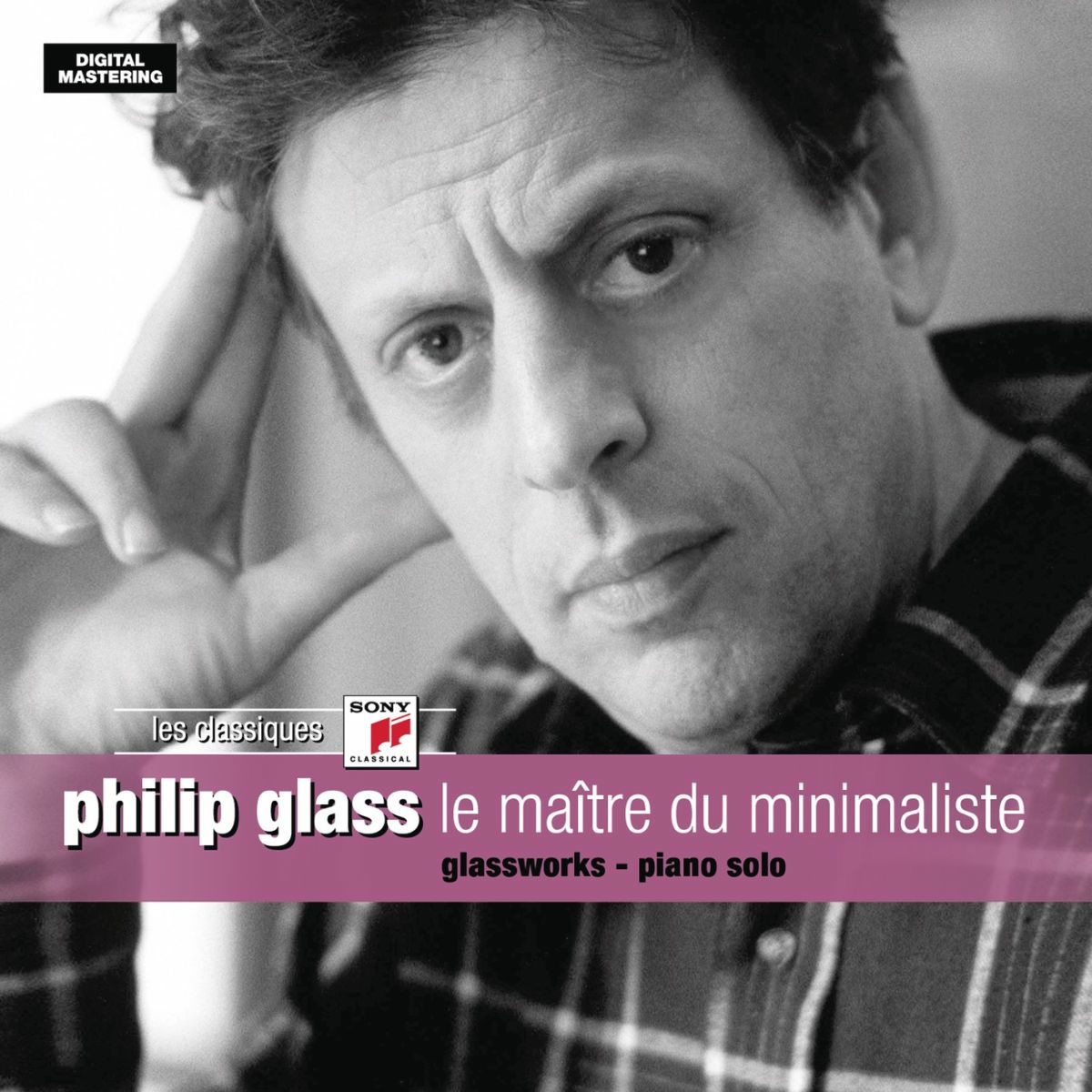
“Metamorphosis” is a set of five piano pieces, composed in 1988 , inspired by Franz Kafka’s novella The Metamorphosis. which tells the story of a man who wakes up transformed into an insect. The work features a minimalist style for solo Piano. Metamorphosis is simple, yet haunting and emotional. featuring repeating patterns and gradual transformations.
Glassworks, consider the stunning simplicity of the first track, ‘Opening’. Glassworks is tuneful in the most pleasingly direct sense – the arrangements define the melodies so cleanly they’re instantly memorable. (Allmusic.com)
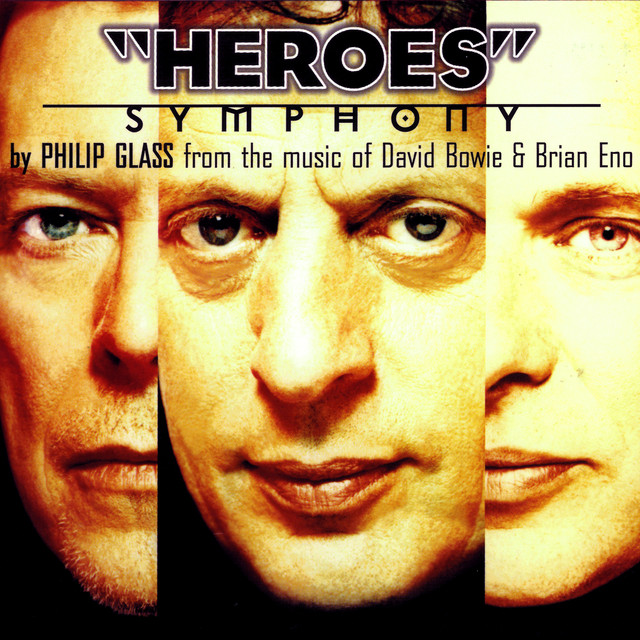
composed in 1996 based on the album “Heroes”
by David Bowie and Brian Eno. Almost twenty years later, made a new composition which he hoped would reintroduce this music to new listeners.
Glass set Heroes as a six movement work. each movement based on a theme from the album, with an overall dramatic structure that would be suitable for dance. The result was a symphonic ballet. a transformation of the original themes combined with new material of Glass.
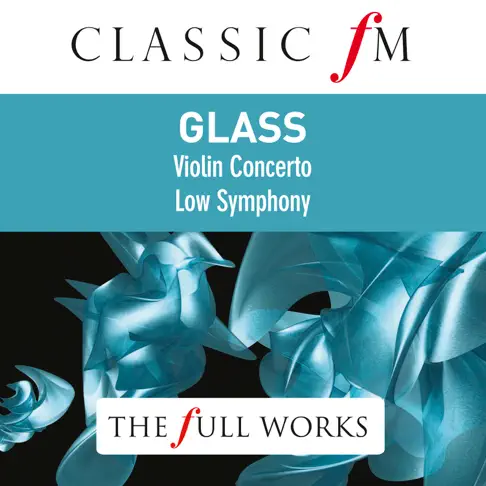
Violin Concerto No. 1 was commissioned for soloist Paul Zukofsky and premiered in 1987. The work was composed with Glass’s late father in mind. The piece quickly became one of Glass’s most popular works. An exciting and emotional first movement. a slow, Haunting yet beautiful second movement which portends the thrilling third movement. Critical reception is mixed, with some listeners finding it more memorable and others dismissive of its minimalist techniques. Concerto No. 1 acts as a symphonic piece that just happens to have its best melodies in the violin part.
metamorphosis / glass works
symphony no. 4 (heroes)
violin concerto No. 1
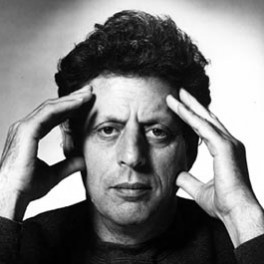
Philip Glass (born January 31, 1937) is an American composer and pianist. He is widely regarded as one of the most influential composers of the late 20th century. Glass’s work has long been linked with minimalism, being built up from repetitive phrases and shifting layers. He described himself as a composer of “music with repetitive structures”.
glass was born in Baltimore, Maryland. Glass developed his appreciation of music from his father, who owned Record Music store. Glass spent many hours listening to Records, developing his knowledge of and taste in music. This openness to modern sounds affected Glass at an early age. He studied the flute as a child. At the age of 15, he entered an accelerated college program at the University of Chicago. he studied mathematics and philosophy. In Chicago, he discovered the serialism of Anton Webern and composed a twelve-tone string trio. He next enrolled at Juilliard. he had by then rejected serial techniques in composition. He now favoured more conventional styles like the music of Ives, Copland, and Virgil Thomson. After leaving Juilliard in 1962, Glass moved to Pittsburgh. he worked as a school-based composer-in-residence in the public school system, composing various choral, chamber, and orchestral music. In 1964, Glass received a Fulbright Scholarship. his studies took him to Paris to study with the Nadia Boulanger. from autumn of 1964 to summer of 1966, this period of study influenced his work throughout his life.
In parallel with work in experimental theatre, Glass worked as a music director and composer on a film score, (Chappaqua). Collaborating with Ravi Shankar and Alla Rakha, which added another important influence on Glass’s musical thinking. Glass then left Paris for northern India in 1966. Returning to New York City in March 1967, Glass attended a performance of works by Steve Reich. Reich’s music left a deep impression on him and led to a simplification of his style.After returning to New York in 1967, Glass struggled financially. He had to work as a cab driver and plumber for a time. Eventually, he established the Glass Ensemble in the early ’70s. This group consisted of seven players and used keyboards, woodwind instruments, and amplification of vocals. Though it also struggled at the outset, it eventually became immensely popular.
Between summer of 1967 and the end of 1968, Glass composed nine works experimenting with his new-found minimalist approach. Eventually Glass’s music grew less austere, becoming more complex and dramatic. often encountering hostile reaction from critics but Glass’s music was also met with enthusiasm from younger artists. He now prefers to describe himself as a composer of “music with repetitive structures”
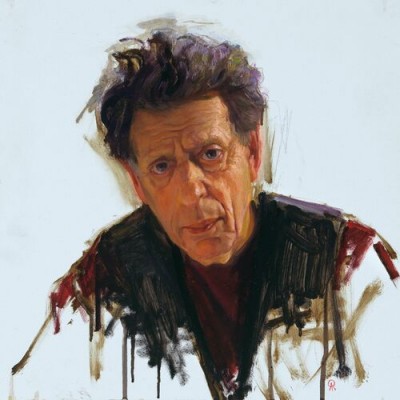
Glass’ Einstein on the Beach was staged in 1976 and was his first large-scale triumph. By this time, too, his Ensemble was in greater demand, as were a good many of his other works. Since the 1980s, Glass’ popularity has grown Since the success of his 1982 “Company”, for string quartet . Other successes include the 1987 violin concerto, and the 1997 score, Kundun, written for the Martin Scorsese film. There have been other operas and Among other works is the remarkable Monsters of Grace. Written for voices and instrumental ensemble it is a mystical composition that uses light and other effects in performance.
His website cites: There has been nothing “minimalist” about his output. He has collaborated with Allen Ginsberg, David Bowie, Paul Simon, Yo-Yo Ma, Leonard Cohen, and Doris Lessing and others. Glass remains one of the most important American composers. His music is distinctive, haunting, and evocative. Either performed by itself or in collaboration with other media, his compositions move the listener to unexplored places. More recently, a major re-examination of Glass’s oeuvre has led him to be labelled the Last Romantic.
Sound quality is important and the better online Streaming services will offer superior sound quality. As always, We do encourage you to purchase Favoured albums from good online or High street record stores.
Artists in upcoming issues: Bach, Beethoven and Chopin…….Keep Listening!! JOIN THE CONVERSATION…