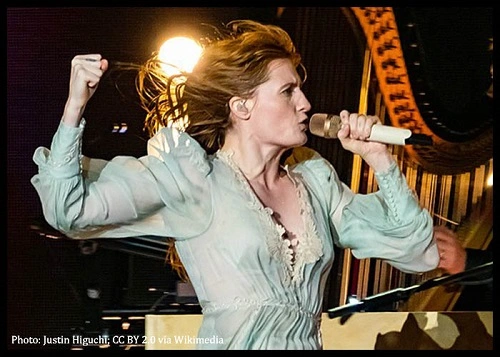
In This issue #5 we highlight 4 artists and some significant works
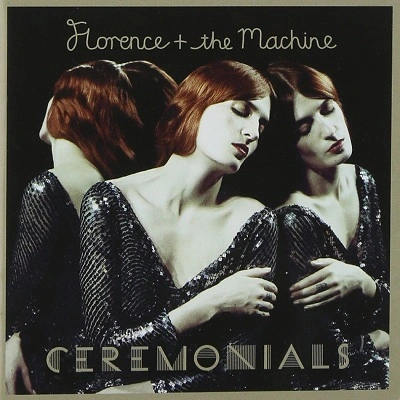
Florence + the Machine
Ceremonials (2011): This album reached number one in the UK and included popular singles like “Shake It Out”. Florence Welch’s powerful, soulful, and evocative vocals are a recurring point of praise, described as a key strength of the album. The album is influenced by hymns, poems and church bells. Fans of Florence are definitely not going to be disappointed with this album. Time Magazine review “Despite her penchant for emotive gloom, Welch’s tales of heartache can be oddly uplifting; when she sings about darkness and demons, we know she will ultimately conquer them.” Pitchfork’s Ryan Dombal argued ” Ceremonials suffers from a repetitiveness that’s akin to looking at a skyline filled with 100-story behemoths lined-up one after the other, blocking out everything but their own size.”
carla bley
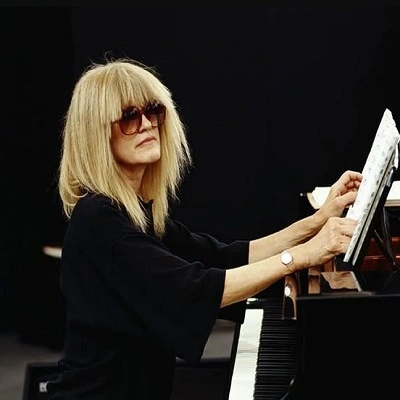
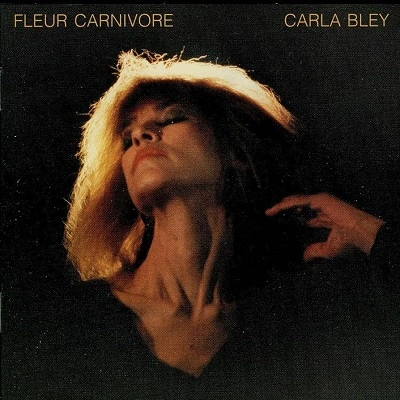
Fleur Carnivore is a live jazz album by the American composer, bandleader, and keyboardist Carla Bley. It was recorded in November 1988 at the Jazzhus Montmartre in Copenhagen, Denmark, and released in 1989 . The album is recognised as one of Bley’s finest. The album features a 15-piece big band and is notable for Bley’s unique compositional style, complex yet approachable, featuring a diverse range of instruments including oboe, French horn, and harmonica.
The Allmusic review by Stephen Cook stated, “On Fleur Carnivore, pianist Carla Bley deftly integrates her beautiful melodies into five complex, yet effortless sounding pieces… Fleur Carnivore is one of Bley’s best titles and good place to start for newcomers” The Penguin Guide to Jazz opined, “This is something like a masterpiece”. The Los Angeles Times review “Here, the composer/arranger/keyboardist has her 15-piece ensemble create backdrops–steamy, rhythmic jungles, downtown traffic jams heavy with horns and animated scenes of cocktail chatter,while allotting generous chunks of improvisational space.”
claude Debussy
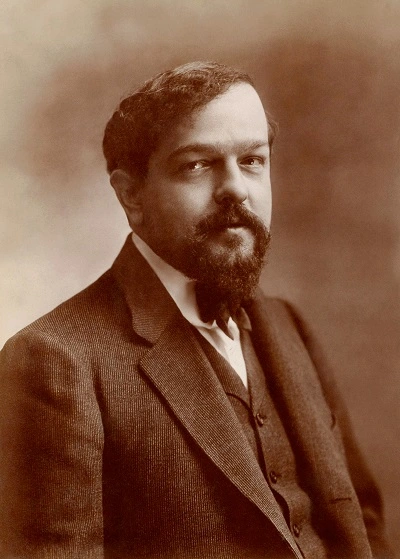
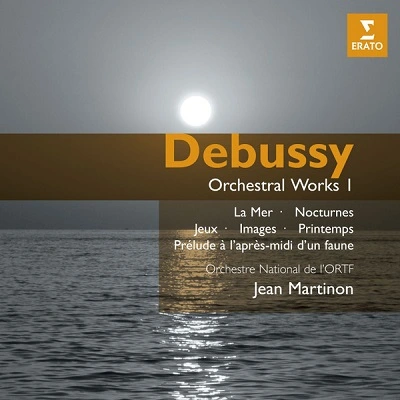
Prélude à l’après-midi d’un faune: is a symphonic poem for orchestra, approximately 10 minutes in duration. A landmark orchestral work considered by some to be the beginning of modern music, famous for its opening flute solo. Debussy sought to translate not the events of the poem, but rather the atmosphere, sensations, and vague impressions it evokes. He uses unconventional harmonies and innovative orchestral treatment with the rich use of woodwinds to create a delicate and lush sonic palette.
La mer: One of Debussy’s most famous and frequently performed orchestral works. Subtitled “three symphonic sketches,” it uses innovative harmonies and orchestration to evoke the ever-changing moods and atmosphere of the ocean. Drawing inspiration from paintings and literature, particularly the seascapes of J.M.W. Turner and the Japanese artist Hokusai. Recurring musical themes and motifs create a sense of natural ebb and flow and sensuous tonal colours establish the quality of a sound (like a “bright” or “warm” tone), and unusual instrumentation create an illusion of light on the water and the vastness of the ocean.
Images pour orchestra: An orchestral composition in three sections: Gigues: Debussy used his memories of England as inspiration for the music, in addition to the song “Dansons la gigue” by Charles Bordes and the Tyneside folk tune “The Keel Row”, which are used as key themes. Iberia: which has three sub-sections. Impressions of Spain inspired this music and Rondes de printemps (Round dances of spring). He used two folk tunes in this movement.
Printemps is a symphonic suite. Described by Debussy as an expression of the “slow and laboured birth of beings and things in nature, their gradual blossoming, and finally the joy of being born into some new life.”
Notes on Light (2006) is a cello concerto exploring light and darkness through five movements, contrasting the solo cello with radiant or shadowy orchestral textures, using spectral techniques for luminous soundscapes and intense dialogues. It’s known for its evocative textures, microtones and complex interplay between soloist and orchestra. The Concerto Ends with a quote from T.S. Eliot’s Four Quartets.
Nocturnes, or Trois Nocturnes (Three Nocturnes), is an acclaimed Impressionist orchestral composition in three movements inspired by the series of atmospheric paintings by the American artist James Abbott McNeill Whistler. Movement 1 – Nuages (“Clouds”) reflects theslow, melancholy march of the clouds, fading away in grey tones. Movement 2 – Fêtes (“Festivals”): This piece portrays a “vibrating, dancing rhythm of the atmosphere with sudden flashes of light”. Movement 3 – Sirènes (“Sirens”): The third movement, which features a wordless women’s chorus, depicts the sea and its rhythms, with the “mysterious song of the sirens.
Jeux a one-act ballet. The music is often noted for its innovative orchestration and complex, fluid rhythmic structure, using short thematic cells that are constantly altered and developed, with numerous tempo changes. intermezzo Short composition version for piano duo (4 hands).
Sigur Rós
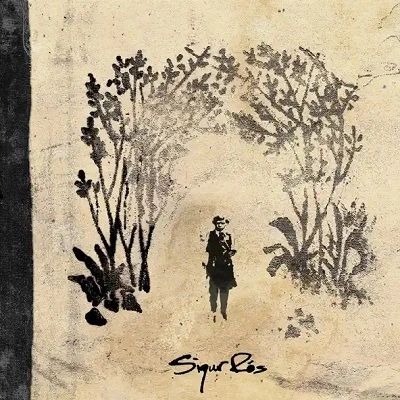
Takk… (2005) is the fourth studio album of the band. The album’s lyrics are mostly in Icelandic, with occasional elements of Vonlenska (“Hopelandic”), a scat-like form of gibberish. It is a warmer, more orchestral take on the band’s defining sound, and instantly accessible record. The cheerless drones of ( ) are replaced by more bass, drums, piano, horns, and samples, strings are more prominent than before alongside the ever-present otherworldly vocals. Takk captured the band at their most energized and, perhaps, their most harmonious. Absorbing Pop and Ambient, Dance and Film Score without a steady beat or narrative to guide.
Classical Album Claude debussy

Jazz Album
carla bley