In This issue #11 we highlight 4 artists and some significant works
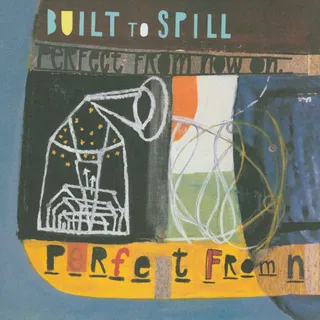
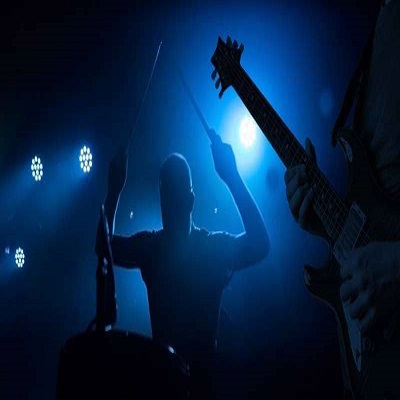
built to spill
Perfect from Now On was released to widespread critical acclaim and is widely regarded as an indie rock masterpiece as well as Built to Spill’s magnum opus and is frequently cited as one of the greatest indie rock albums of all time, and has come to influence many modern alternative, rock, and indie acts. Martsch wanted Built to Spill’s popularity to spread organically through word-of-mouth rather than being promoted heavily, making the songs long and unconventional on purpose in order to prevent them from being played on the radio.
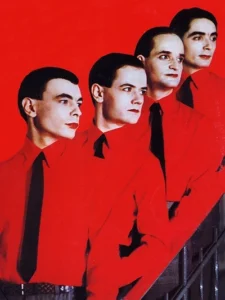
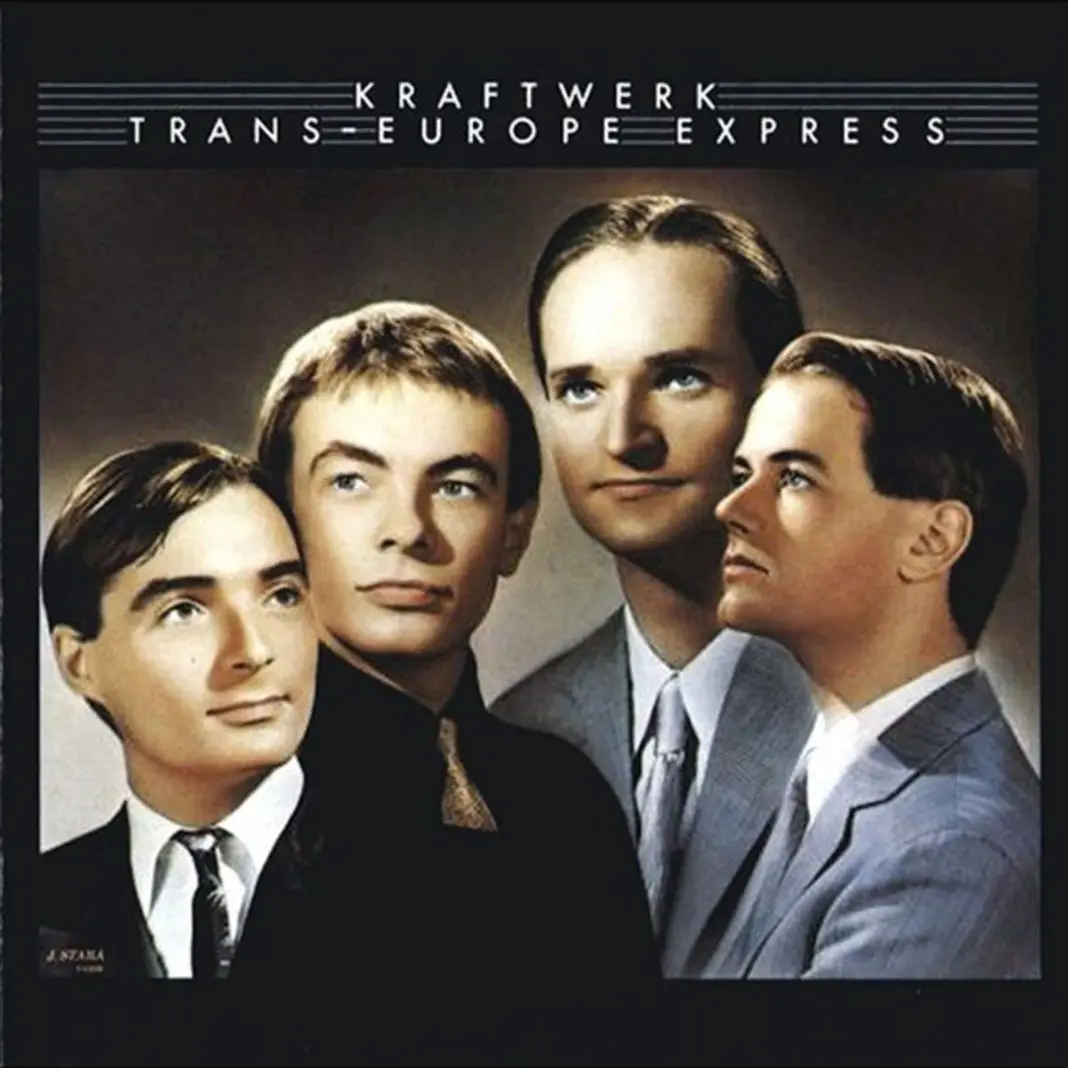
kraftwerk
Trans-Europe Express is the sixth studio album by German electronic band Kraftwerk. Recorded in 1976 in Düsseldorf, Germany, the album was released in March 1977 on Kling Klang Records. It saw the group refine their melodic electronic style, with a focus on sequenced rhythms, minimalism, and occasionally manipulated vocals. The themes include celebrations of the eponymous European railway service and Europe as a whole, and meditations on the disparities between reality and appearance. In 2009, Drowned in Sound’s Chris Power stated that “Trans-Europe Express is all at once antique, timeless, retro and contemporary. Its status as modern electronic music’s birth certificate is well-earned, but its hallowed reputation should never be allowed to disguise its true value and power as a work of art. Nor should it obscure a longevity that, 32 years on, we might as well start calling by its real name: immortality”.
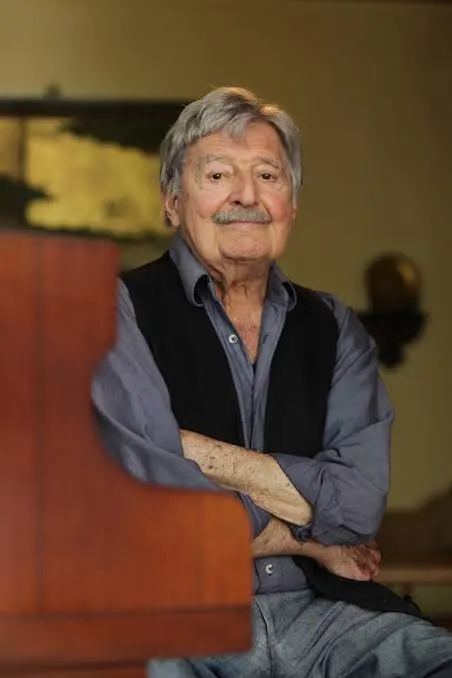
peter Sculthorpe
Kakadu is one of his most famous orchestral compositions. First performed in 1988 at the Aspen Music Festival, this 15-minute piece is a musical celebration of the Kakadu National Park in Australia’s Northern Territory. The work reflects the wilderness landscape, its cycle of life and death, and the changing seasons from the dry to the wet. It blends Sculthorpe’s signature “landscape” style with the rhythms and contours of Aboriginal chant. The outer sections are energetic and dance-like, featuring vibrant orchestral colours around a central more introspective section, featuring a prominent cor anglais solo.
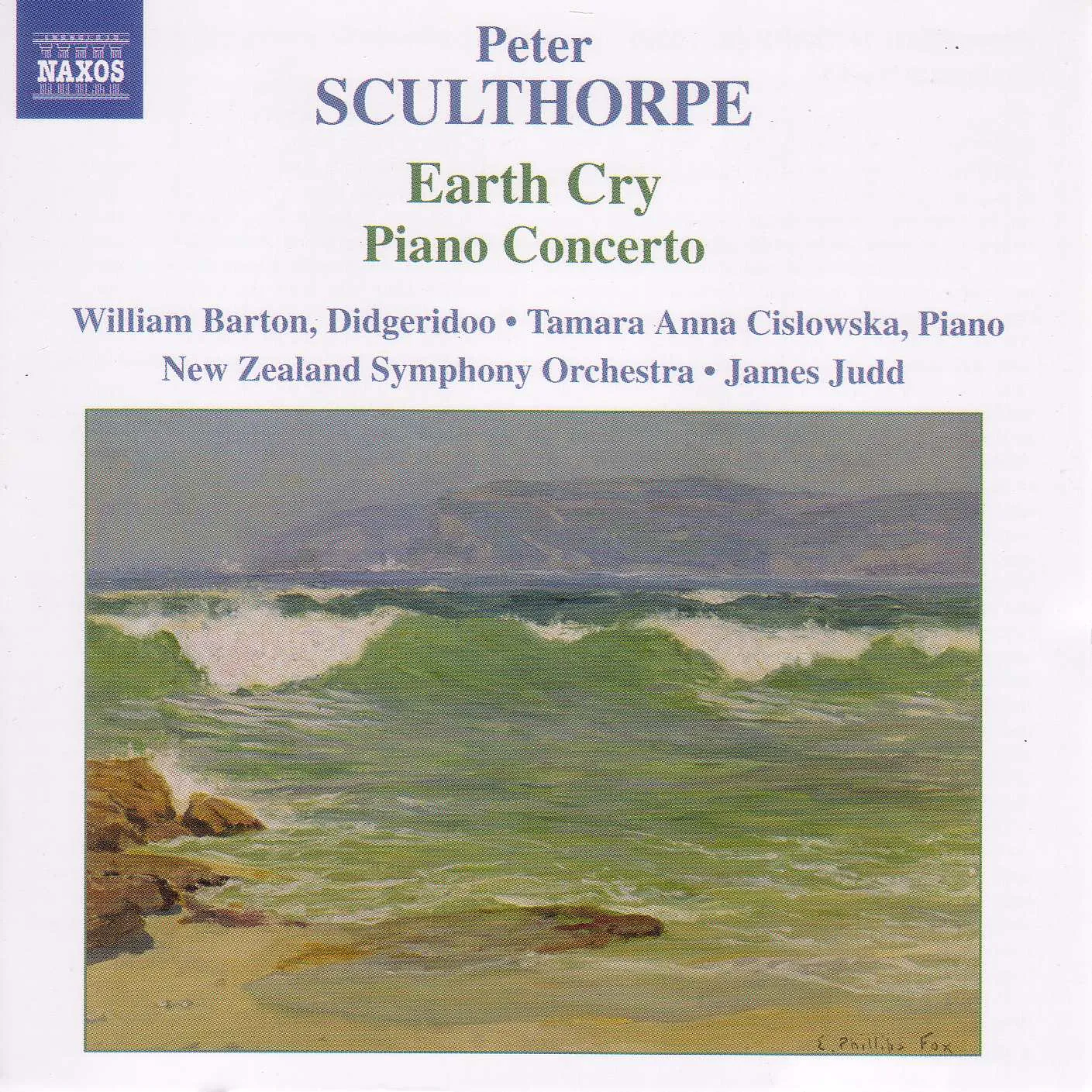
Earth Cry (1986) is a major orchestral work reflecting a need for Australians to “attune ourselves to this continent” and listen to the “cry of the earth” as Aboriginal people have for millennia. He expressed concern that a commercialised, “bogus” national identity was obscuring the true depth of Australian culture. It typically consists of quick, ritualistic sections framed by slower, supplicatory music and an extended coda. The music uses “pounding drums,” string “shrieks,” and sounds derived from Australian wildlife to portray a vast, lonely, and ancient outback.
Memento Mori (1993) is a powerful, single-movement orchestral composition inspired by the medieval Christian concept of mortality and the tragic history of Easter Island. The work features the Dies irae plainchant, reflecting on the island’s lost civilization and offering a musical lament for the planet.
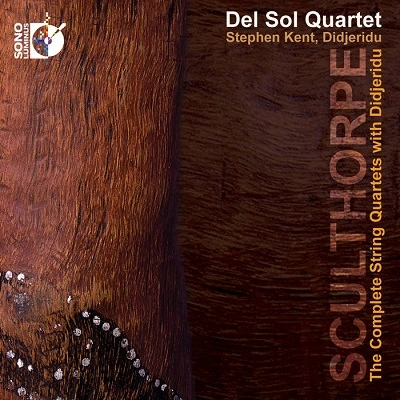
String Quartet No. 16 (2005) is a moving work for string quartet with an optional didgeridoo. Inspired by the book From Nothing to Zero, which contains letters from asylum seekers in Australian detention centres, the piece reflects on human suffering and hope. The quartet lasts approximately 24 minutes and is divided into five short movements that represent a journey from despair to freedom: Loneliness: Explores the isolation of detention. Anger: Captures the frustration and turmoil of the situation. Yearning: A more melodic section expressing deep longing. Trauma: Represents the psychological toll on the detainees. Freedom: Concludes the work with a sense of release.
String Quartet No. 18 (2010) is a 20-minute, five-movement work for two violins, viola, and cello, often featuring an optional didgeridoo. It is a poignant, thematic work, frequently associated with the landscape of Northern Tasmania and Indigenous history, often exploring themes of nature and loss. The piece consists of five distinct movements: I. Prelude, II. A Land Singing, III. A Dying Land, IV. A Lost Land, and V. Postlude. It was written in 2010 and is considered part of his final period of string quartet composition, often showcasing his signature Australian soundscape. The quartet features emotional, environmental, and historical themes, with sections reflecting a “dying” or “lost” land.
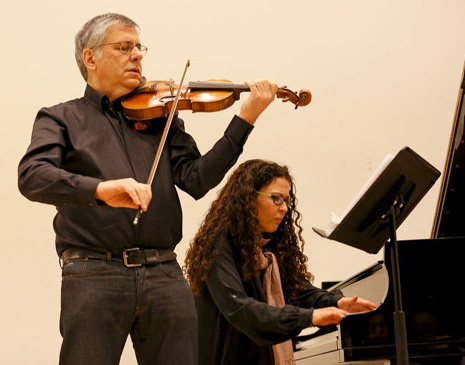
Mark Feldman
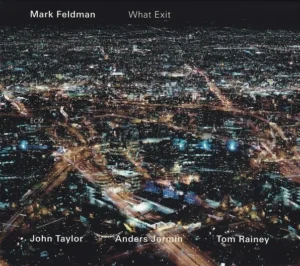
What Exit is an album by violinist Mark Feldman recorded in June 2005 and released on ECM September the following year. The quartet features rhythm section John Taylor, Anders Jormin, and Tom Rainey. The compositions are Feldman originals, filled with subtle traces of his diverse stylistic influences and showcase his superb skill on the violin. The Guardian’s John Fordham observed, “Contemporary jazz/classical violin might be a bit spiky for some, but the musicianship and the conversational skills are remarkable.”
Classical Album
Peter Sculthorpe

Jazz Album
Mark Feldman