In This issue #16 we highlight 4 artists and some significant works
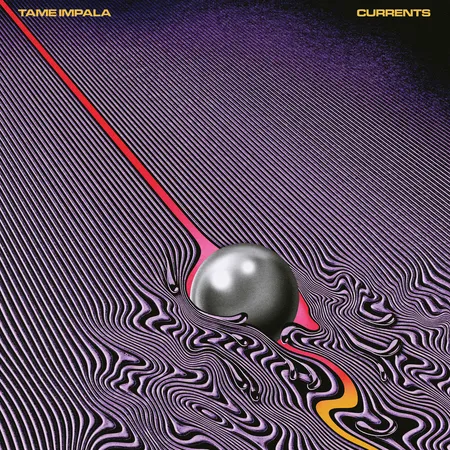
Currents is the third studio album by Australian musical project Tame Impala, released in2015 by Modular Recordings. Written, recorded, performed, and produced entirely by Kevin Parker, the album marked a monumental shift from the project’s earlier guitar-heavy psychedelic rock into a synth-driven aesthetic blending synth-pop, disco, indie pop, and R&B. It received widespread critical acclaim, earned a spot on Rolling Stone’s “500 Greatest Albums of All Time”, While often interpreted as a breakup record, Parker has noted the album is fundamentally about personal metamorphosis, exploring the anxiety, longing, and eventual acceptance that comes with letting go of your past self. Leaving behind standard garage-rock textures, Currents relies heavily on vintage synthesizers, distorted vocal filters, looping grooves, and punchy, hip-hop-inspired drum beats. The album’s standout track, “The Less I Know the Better,” became a massive streaming juggernaut
Let It HappenNangsThe MomentYes I’m ChangingEventuallyGossipThe Less I Know The BetterPast LifeDisciples‘Cause I’m A ManReality In MotionLove ParanoiaNew Person, Same Old Mistakes
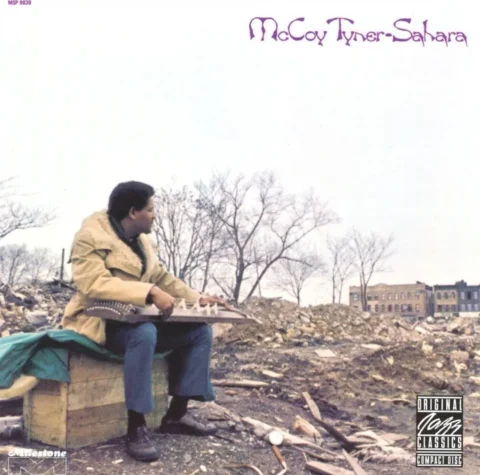
Sahara is a landmark 1972 jazz album by the American post-bop pianist. widely considered one of the definitive masterpieces of his solo career. Recorded and released on Milestone Records, it marked his first collaboration with the label and legendary producer Orrin Keepnews, initiating a highly successful nine-year creative partnership. The album earned widespread critical acclaim, was voted Record of the Year by DownBeat critics, and received a Grammy nomination. The record is famous for its massive energy, intense polyrhythms, and prominent African and Eastern musical influences. In a departure from standard jazz quartet setups, all four musicians double or triple up on a wide array of auxiliary instruments to create a lush, orchestral landscape of sound:McCoy Tyner: Piano, koto (a traditional Japanese stringed instrument), flute, and percussion. Sonny Fortune: Soprano saxophone, alto saxophone, and flute. Calvin Hill: Double bass, reeds, and percussion. Alphonse Mouzon: Drums, trumpet, reeds, and percussion. five compositions, all written by Tyner himself:
Ebony QueenA Prayer for My FamilyValley of LifeRebirthSahara
“Ebony Queen” : A lightning-fast, high-intensity opener that pairs Tyner’s explosive, crashing chords with Fortune’s soaring saxophone and Mouzon’s frantic, propulsive drumming. “A Prayer for My Family” : A deeply spiritual, ruminative solo piano piece showcasing Tyner’s lyrical phrasing and technical nuance.“Valley of Life”: An impressionistic track where Tyner primarily plays the Japanese koto, adding a delicate, folk-like atmosphere complemented by Fortune on flute. “Rebirth” (5:20): Another fiercely rhythmic and uptempo ensemble piece driving forward with immense athletic power. “Sahara” this epic title track is a multi-movement journey through complex time signatures, heavy percussion interludes, and primal wind instruments, mirroring the vastness of its geographical namesake
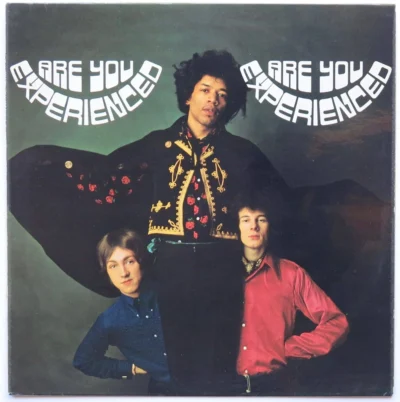
Are You Experiencedis the groundbreaking 1967 debut studio album by the Anglo-American rock band The Jimi Hendrix Experience. Released in 1967 the record immediately transformed popular music by redefining the sonic possibilities of the electric guitar. It features a legendary blend of psychedelic rock, blues, and hard rock, showcasing Jimi Hendrix’s innovative use of guitar feedback, distortion, and studio tape manipulation. The final song on the album, “Are You Experienced?”, serves as a sonic journey. Musically, it relies on a drone-like quality inspired by Indian classical music and a repeating piano octave. Lyrically, the question “Have you ever been experienced?” is widely interpreted as an invitation to the mind-altering world of the 1960s psychedelic movement.
This is the Reprise Records Cover issued in the US
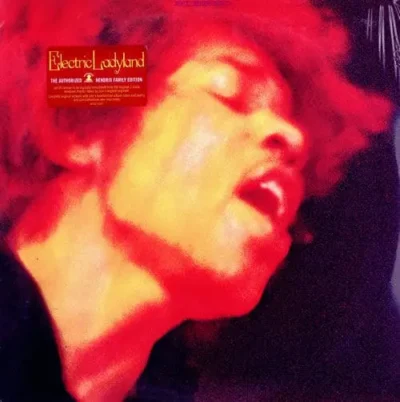
Electric Ladylandis the third and final studio album by the Jimi Hendrix Experience, released in 1968 . Cover notes state produced entirely by Hendrix himself which disturbed Chas Chandler since he produced some of the songs. it was to becoming his most commercially successful release. Electric Ladyland is a cross-section of Hendrix’s wide range of musical talent. It includes examples of several genres and styles of music: the psychedelic “Burning of the Midnight Lamp”, the extended blues jam “Voodoo Chile”, the New Orleans-style R&B of Earl King’s “Come On”, the epic studio production of “1983… (A Merman I Should Turn to Be)”, the social commentary of “House Burning Down”, and the sixties-era British pop of Noel Redding’s “Little Miss Strange”. The album also features an electric reworking of the Bob Dylan song “All Along the Watchtower”, which has been highly acclaimed by critics as well as by Dylan himself, “Crosstown Traffic” a staple of both radio and guitar repertoire and praised for its hard rock guitar riff.
.
Foxey LadyManic DepressionRed HouseCan You See MeLove Or ConfusionI Don’t Live TodayMay This Be LoveFireThird Stone From The SunRememberAre You Experienced?…And The Gods Made LoveCrosstown TrafficVoodoo ChileLittle Miss StrangeLong Hot Summer NightCome On (Part 1)Gypsy EyesBurning Of The Midnight LampRainy Day,Dream Away1983… (A Merman I Should Turn To Be)Moon, Turn The Tides…Gently Gently AwayStill Raining, Still DreamingHouse Burning DownAll Along The WatchtowerVoodoo Child (Slight Return)
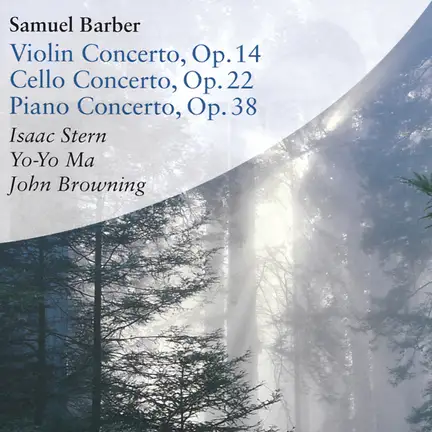
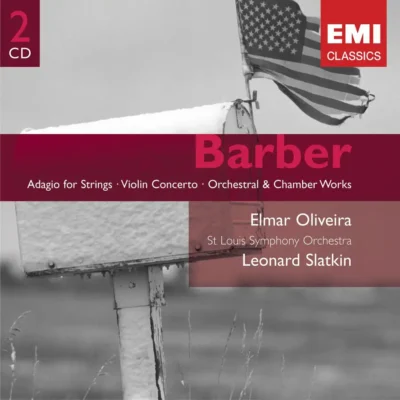
Violin Concerto, Op. 14 is a pillar of 20th-century American classical music. Completed in 1939, it is celebrated for its sweeping lyricism, lush neo-Romantic orchestration, and its starkly contrasting, fiery finale.three movements: I. Allegro: Opens directly with a long, singing melody introduced by the soloist without an orchestral introduction. It focuses heavily on texture and Brahmsian reflection. II. Andante: Begins with a famously melancholic, achingly beautiful oboe solo. The violin later adopts the theme, building toward a tense, emotional climax before closing quietly.III. Presto in moto perpetuo: A radical stylistic shift into aggressive virtuosity. The soloist plays an uninterrupted, blistering stream of fast notes that draws on the biting energy of Shostakovich and Prokofiev. The Piano Concerto, Op. 38 is a highly virtuosic, Pulitzer Prize-winning masterpiece. premiered in1962. three distinct movements: I. Allegro appassionato: Opens with a dramatic, solo piano cadenza before unfolding into a brooding, “film noir” orchestral landscape. II.Canzone: Moderato: A serene, lyrical movement built around an elegant flute elegy, providing a tender respite before a chilling, quiet ending. III. Allegro molto: A nightmarish, driving finale that evokes an ominous chase.
Excursions, Op. 20 is a four-movement suite for solo piano composed between 1942 and 1944.The piece serves as a musical travelogue across the United States. Barber described the movements as “excursions in small classical forms into regional American idioms”. I. Un poco allegro: This movement replicates a boogie-woogie rhythm. It captures the rapid hustle and motoric drive of a busy city. II. In slow blues tempo: Written in a traditional 12-bar blues structure. It leans into expressive, spiky, and sassy jazz harmonies. III. Allegretto: A lyrical set of variations built over an original melody. The movement mimics the style of a cowboy ballad.IV. Allegro molto: A high-energy finale modelled after an American barn dance.Summer Music, Op. 31, composed in 1955, widely considered one of the greatest masterpieces written for a standard woodwind quintet. The evocative, single-movement work brings together a flute, oboe, clarinet, horn, and bassoon to capture the shifting, atmospheric textures of a summer day.
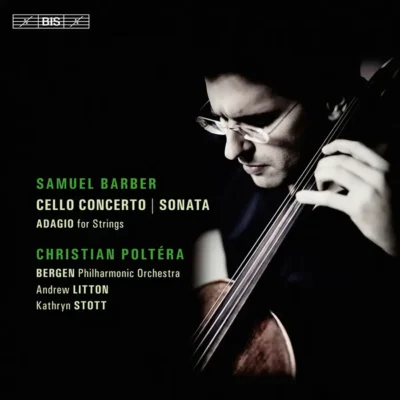
Cello Concerto in A minor, Op. 22, completed 1945, is widely recognized as one of the most technically demanding cello concertos in the standard classical repertoire.It is structured in three movements: I. Allegro moderato: A rhythmically lithe, complex movement featuring dense double-stops and a demanding solo cadenza. II. Andante sostenuto: An autumnal, nostalgic movement written with time signature changes from bar to bar. It gives the rhythm an unpredictable but distinct, lyrical Latin-American pulse. III. Molto allegro e appassionato: A rugged, intense, and fierce finale that showcases theatrical energy and relentless momentum. Cello Sonata in C minor, Op. 6 is a passionate, late-Romantic chamber masterpiece composed 1932 when the composer was only 22 years old. it stands out for its rich lyrical melodies, dramatic intensity, and structural mastery. three distinct movements: I. Allegro ma non troppo: A powerful, dramatic movement opening with hushed intensity. It develops (Brahms-like) via tight, two-note fragments that expand into broad, expressive lines. II. Adagio – Presto – Adagio: A unique hybrid movement. It sandwiches a quick, fiery scherzo section right in the middle of a deeply emotional, singing Adagio.. III. Allegro appassionato: A fiery, rhapsodic finale brimming with technical challenges and heroic momentum for both Cello and Piano. Adagio for Strings, Op. 11 is widely considered one of the most recognizable, deeply moving, and emotional pieces of classical music ever written.: Barber alters the time signatures to subtly manipulate the pulse and create a seamless flow. The melody stretches into a soaring, high-registered peak before abruptly cutting off into an intense, quiet silence. it ends with a quiet restatement of the theme, fading out on an unresolved, lingering chord.
.
.
Violin Concerto, Op. 14- I. AllegroViolin Concerto, Op. 14- II. AndanteViolin Concerto, Op. 14- III. Presto in moto perpetuoPiano Concerto, Op. 38- I. Allegro appassionatoPiano Concerto, Op. 38- II. Canzone. ModeratoPiano Concerto, Op. 38- III. Allegro moltoExcursions Op. 20- I. Un poco allegroExcursions Op. 20- II. In slow blues tempoExcursions Op. 20- III. AllegrettoExcursions Op. 20- IV. Allegro moltoSummer Music Op.31.I – Slow and indolentSummer Music Op.31.II – FasterSummer Music Op.31.III – Lively, still fasterSummer Music Op.31.IV – With motion, as beforeSummer Music Op.31.V – Joyous and flowingSummer Music Op.31.VI – Tempo ICello Concerto, Op.22 – I. Allegro ModeratoCello Concerto, Op.22 – II. Andante SostenutoCello Concerto, Op.22 – III. Molto Allegro E AppassionatoCello Sonata, Op.6 – I. Allegro Ma Non TroppoCello Sonata, Op.6 – II. Adagio – Presto – Di Nuovo AdagioCello Sonata, Op.6 – III. Allegro AppassionatoAdagio For Strings, Op.11
in further issues we will continue to Bring you the music of Popular genres to listen, review and evaluate. issue #17 (coming soon) features fall out boy, imogen heap, Matthew Halsall and Henryk Górecki
NOTES
Sound quality is important and some streaming services will offer superior sound quality. We do encourage you to purchase albums from good online record stores. alternatively, stream the music of favoured artists from those better online streaming services.
Samuel Barber – Cello Concerto – Label : BIS records ; Piano and violin Concertos – Label : Sony ; Excursions and Summer Music – label : eMI classics
Tame Impala – currents – Label : Modular Recordings
McCoy Tyner – sahara – label : milestone
Jimi Hendrix Experience – Are you experienced – Electric ladyland – Label : Track
It is helpful to research the artist, using sources like Wikipedia , Music Magazine Reviews (Pitchfork, Rolling stone, NME etc.,) Artist Websites, etc…
A synopsis of the life and music of this Issue’s featured artists appears below.
This Week’s Artists
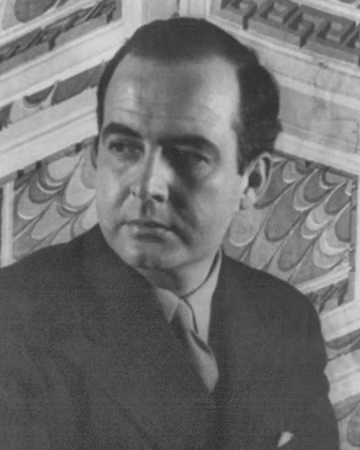
Samuel Barber (9 March 1910 – 23 January 1981) was one of the most celebrated and expressive American composers of the 20th century. Known for his deeply emotional, lyrical, and neo-romantic style, his most famous masterpiece is the hauntingly beautiful Adagio for Strings (1936).Unlike many of his 20th-century peers who experimented with jarring, dissonant avant-garde music, Barber championed traditional harmony and melody. Gifted at writing for the human voice, partly because he was a trained baritone singer himself.
samuel barber
Samuel Barber was born in West Chester, Pennsylvania, into a comfortable, educated, social, and distinguished American family. His father was a physician; his mother was a pianist whose family had lived in the United States since the time of the American Revolutionary War. His maternal aunt, Louise Homer, was a leading contralto at the Metropolitan Opera; his uncle, Sidney Homer, was a composer of American art songs. Sidney Homer mentored Barber for more than 25 years, and profoundly influenced his compositional aesthetics. A child prodigy, Barber became profoundly interested in music at a very young age, and it was apparent that he had great musical talent and ability. He began studying the piano at the age of six and at age seven composed his first work, Sadness, a 23-measure solo piano piece in C minor. As a young boy, Barber took private lessons from William Hatton Green, being one of Barber’s greatest early influences. At the age of 14, Barber entered the youth artist program at the Curtis Institute of Music in Philadelphia, where he ultimately spent ten years developing his talents as a triple prodigy in composition, voice, and piano. From his early adulthood, Barber wrote a flurry of successful compositions. The use of tonal harmony, unresolved dissonance, moderate chromaticism, and largely diatonic, lyrical melodies are some of the defining features of this period in his compositional career. At the age of 18, he won the Joseph H. Bearns Prize from Columbia University for his violin sonata and the Bearns Prize a second time for his first large-scale orchestral work, an overture to The School for Scandal, which was composed in 1931 when he was 21 years old. After graduating from Curtis in the spring of 1934, Barber pursued further studies in conducting and singing with John Braun in Vienna in the summers of 1935 and 1936 through the aid of a Pulitzer traveling scholarship.
He soon after was awarded the Rome Prize which enabled him to pursue further studies at the American Academy in Rome from 1935 to 1937. Barber’s first orchestral work to receive international attention was his Symphony in One Movement which he wrote while studying composition in Rome.In 1938, when Barber was 28, his Adagio for Strings was performed by the NBC Symphony Orchestra under the direction of Arturo Toscanini, along with his first Essay for Orchestra. The Adagio had been arranged from the slow movement of Barber’s String Quartet, Op. 11. From 1939 to 1942, Barber taught composition at the Curtis Institute in Philadelphia. In 1942, after the US entered World War II, Barber joined the Army Air Corps where he remained in service through 1945. While in the Army Air Corps Barber was commissioned to write several works for the Boston Symphony Orchestra (BSO), including his Cello Concerto and his Second Symphony, a work he later suppressed. In 1943, Barber and former Curtis schoolmate Gian Carlo Menotti, his partner in life as well as in their shared profession, purchased ‘Capricorn’, a house north of New York City in suburban Mount Kisco. The home served as their artistic retreat up until 1972, and it was at this house that Barber had his most productive years as a composer during the 1940s, 1950s, and early 1960s. Here he wrote ballet suite Medea (1946) and the symphonic work Knoxville: Summer of 1915 for soprano and orchestra. In 1949 he achieved a major critical success with his Piano Sonata. In the 1950s Barber was engaged to conduct his own works with several symphony orchestras internationally for performances and recordings. In 1958 Barber won the Pulitzer Prize for Music for his first opera Vanessa. n 1962 he won the Pulitzer Prize a second time for his Piano Concerto. After the harsh rejection of his third opera Antony and Cleopatra (1966), Barber battled with depression and alcoholism which had a negative impact on his creative productivity. He began to divide his time between his home in New York and a chalet in Santa Cristina Gherdëina, where he spent long periods in isolation. Menotti and Barber ended their romantic attachment and put Capricorn up for sale in 1970 but the two men remained on friendly terms after their romantic involvement ended. During his troubled later years, Barber continued to write music until he was almost 70 years old. In 1971, his cantata The Lovers was well received by audiences and critics. The Third Essay for Orchestra (1978) was his last major work. His final composition, Canzonetta for oboe and string orchestra (1981), was published after his death. Initially intended to be a fully developed oboe concerto, Barber only completed the second movement of that work. Barber was hospitalized on and off between 1978 and 1981 while undergoing treatment for cancer. He died of the disease on January 23, 1981
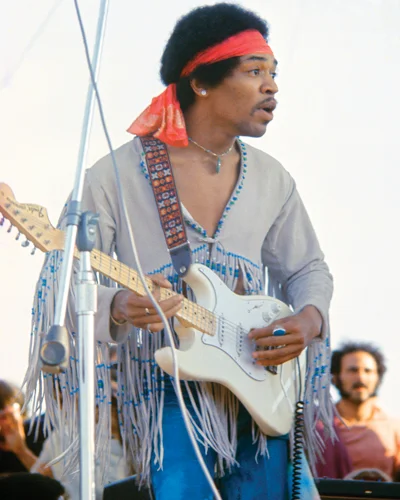
James Marshall “Jimi” Hendrix (born Johnny Allen Hendrix (1942 –1970) was an American guitarist, singer, and songwriter. He is widely regarded as one of the greatest and most influential guitarists of all time. He was inducted into the Rock and Roll Hall of Fame in 1992 as a part of his band, the Jimi Hendrix Experience; the institution describes him as “arguably the greatest instrumentalist in the history of rock music”.
jimi hendrix
Hendrix was born on November 27, 1942, in Seattle, Washington. He had a difficult childhood, sometimes living in the care of relatives or acquaintances. His mother, Lucille, was only 17 years old when Hendrix was born. She had a stormy relationship with his father, Al, and eventually left the family after the couple had two more children together, sons Leon and Joseph. Hendrix would only see his mother sporadically before her death in 1958. When Hendrix was 16, his father bought him his first acoustic guitar, and the next year his first electric guitar — a right-handed Supro Ozark that the natural lefty had to flip upside down to play. Shortly thereafter, he began performing with his band, the Rocking Kings. In 1959, he dropped out of high school and worked odd jobs while continuing to follow his musical aspirations. In 1961, Hendrix followed in his father’s footsteps by enlisting in the United States Army. While training as a paratrooper, Hendrix still found time for music. Hendrix served in the army until 1962 when he was honourably discharged after injuring himself during a parachute jump. Soon afterward, he moved to Clarksville, then Nashville, Tennessee, and began playing gigs on the Chitlin’ Circuit, earning a place in the Isley Brothers’ backing band and later with Little Richard, with whom he continued to work through mid-1965. He then played with Curtis Knight and the Squires. Hendrix moved to England in late 1966, after bassist Chas Chandler of the Animals became his manager. Within months, he formed the Jimi Hendrix Experience (with its rhythm section consisting of bassist Noel Redding and drummer Mitch Mitchell) and achieved three UK top-ten hits: “Hey Joe”, “Purple Haze”, and “The Wind Cries Mary”. Iconic Performances include Monterey Pop Festival (1967) where his breakout American performance ended with him setting his guitar on fire. At Woodstock (1969) an historic festival set that featured his radical, distortion-heavy rendition of The Star-Spangled Banner.Hendrix and the Isle of Wight Festival in 1970.
Hendrix was inspired by American rock and roll and electric blues. He favoured overdriven amplifiers with high volume and gain, and was instrumental in popularizing the previously undesirable sounds caused by guitar amplifier feedback. He was also one of the first guitarists to make extensive use of tone-altering effects units in mainstream rock, such as fuzz distortion.Hendrix released three monumental studio albums with his band, The Jimi Hendrix Experience, all of which rank among the greatest albums of all time: Are You Experienced (1967): A groundbreaking debut featuring immortal anthems like Purple Haze, Foxey Lady, and his famous cover of Hey Joe. Axis: Bold as Love (1967): A more melodic, experimental record highlighted by the poetic soul-ballad Little Wing. Electric Ladyland (1968): His masterwork, showcasing the epic Voodoo Child (Slight Return) and his definitive reimagining of Bob Dylan’s All Along the Watchtower.
He died in London from barbiturate-related asphyxia in September 1970, at the age of 27.
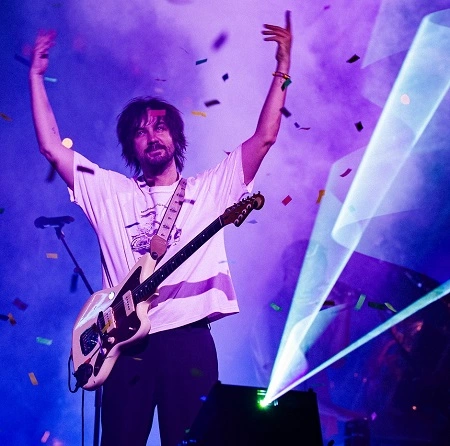
Tame Impala is the psychedelic music project of Australian singer and multi-instrumentalist Kevin Parker. In the recording studio, Parker writes, records, performs, and produces all of the project’s music. As a touring act, Tame Impala consists of Parker (vocals, guitar, synthesiser), Dominic Simper (guitar, synthesiser), Jay Watson (synthesiser, vocals, guitar), Cam Avery (bass guitar, vocals, synthesiser), Julien Barbagallo (drums, vocals), and James Ireland (guitar, synthesiser)..
tame impala
Tame Impala emerged in 2007 as a home-recording project created by Parker, who posted a number of tracks on Myspace. This generated interest from a number of labels, and eventually he signed a worldwide deal with the independent Modular Recordings in July 2008. To transfer these recordings to a live setting, Parker enlisted the help of Dominic Simper (bass) and Jay Watson (drums), and they began playing at local gigs. Kevin Parker came up with the name of the band as a reflection of the music’s theme. He felt the name encapsulated a balance between untamed creativity and refined artistry. Tame Impala’s debut album Innerspeaker was released in 2010 to general and critical acclaim. Pitchfork named it Best New Music. Tame Impala’s second album, Lonerism, was released in 2012 and was mixed by Dave Fridmann. Parker said that Lonerism “represents a departure from his previous work by incorporating an expanded sonic palette, more emotional song writing, and a more pronounced narrative perspective”. It was created in a similar set up as Innerspeaker, whereby Parker wrote and recorded the majority of the album by himself at his home in Perth, Western Australia. or Parker’s home studio in France. Lonerism received a 2014 Grammy Award nomination in the Best Alternative Music Album category. Tame Impala announced and released the album Currents in 2015 the record marked a massive stylistic pivot away from the guitar-driven psychedelic rock of his previous albums, leaning instead into synth-pop, disco, funk, and contemporary R&B. Kevin Parker’s intricate engineering—such as turning live-recorded drums into tight, synthesized-sounding loops—bridged the gap between classic analog warmth and modern digital production.
The Slow Rush is the fourth studio album, released in 2020. Musically, it is a highly detailed, self-produced masterpiece that transitions from the heavy psych-rock of Parker’s early days into a slick fusion of psychedelic pop, 70s disco, electronic rhythms, and progressive pop. Deadbeat is the fifth studio album released in 2025 the project marked another stylistic departure from his earlier music. The record scales back the dense, layered instrumentation of previous records in favour of electronic house, techno, tech-house, and minimalist club-psych production. Despite the upbeat dance tempos, the lyrics dive heavily into vulnerable themes of isolation, self-doubt, aging, and anxiety.
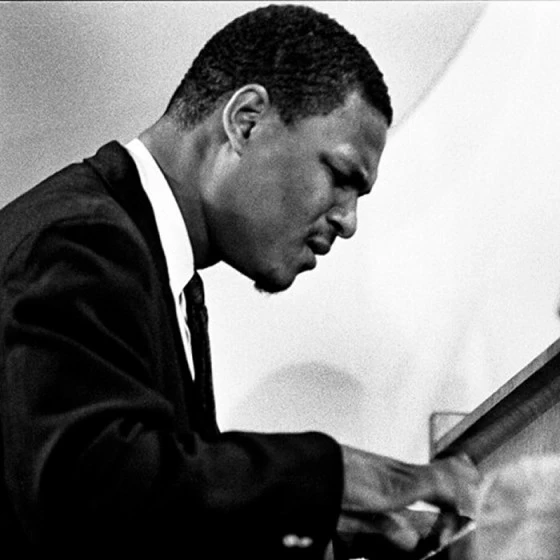
Alfred McCoy Tyner (December 11, 1938 – March 6, 2020) was an American jazz pianist and composer known for his work with the John Coltrane Quartet from 1960 to 1965 and his long solo career afterward. He was an NEA Jazz Master and a five-time Grammy Award winner. Tyner has been widely imitated and is one of the most recognizable and influential jazz pianists of all time.
McCoy Tyner
Tyner was born on December 11, 1938,[3][4] in Philadelphia, Pennsylvania, United States, the eldest three children. He was encouraged to study piano by his mother, who had installed a piano at her beauty salon. At the age of 13, he began piano lessons at the Granoff School of Music, where he also studied music theory and harmony. By the time he was 15 years old, music had become the center of his life. Tyner’s decision to study piano was reinforced when he encountered bebop pianist Bud Powell, a neighbour of the Tyner family. Another major influence on Tyner’s playing was Thelonious Monk, whose percussive attacks informed Tyner’s style. Tyner began playing professionally in Philadelphia with local artists such as Lee Morgan and Jimmy Heath. He first met John Coltrane, in the summer of 1955. They kept in touch, played together occasionally, and had an understanding that if Coltrane ever formed a group of his own, Tyner would be the pianist. In 1960, Tyner joined The Jazztet led by Benny Golson and Art Farmer and recorded on the group’s debut album, Meet the Jazztet. Around the same time, Coltrane left Miles Davis’s group and formed a quartet of his own, but because he was friends with Golson, he was reluctant to ask Tyner to leave The Jazztet. After six months with The Jazztet, Tyner joined the John Coltrane Quartet, Tyner said: “There were probably some bad feelings at first with the Jazztet, but I think they understood better later on. John’s group was where I belonged.”. The band toured almost nonstop between 1961 and 1965 and went through personnel changes whilst recording many albums widely considered jazz classics. Tyner’s involvement with Coltrane ended in 1965. Coltrane’s music was becoming much more atonal and ‘free’; he had also augmented his quartet with additional percussion players who threatened to drown out both Tyner and drummer Elvin Jones.
Eventually, Tyner established himself as a viable solo artist through a series of post-bop albums as a leader Blue Note released between 1967 and 1970. Tyner then signed with Milestone Records, where he developed an excellent working relationship with jazz producer Orrin Keepnews, who had previously worked closely with Thelonious Monk and Bill Evans. Tyner recorded 19 albums for the label including a solo piano tribute to Coltrane titled ‘Echoes of a Friend’ before moving to Columbia. During the 1980s and 1990s, Tyner performed and recorded in a trio. He also recorded a trilogy of solo or solo-with-guests albums for Blue Note. After signing with Telarc, he recorded, between 1998 and 2003. His last three albums were recorded for McCoy Tyner Music under the auspices of Half Note Records. Tyner stopped making recordings in 2007 even though he lived another 13 years. He continued to play gigs for a while after that but then quietly retired. Tyner died at his home in Bergenfield, New Jersey, in 2020. He was 81. No cause of death was given, but he had been in ill health.