In This issue #9 we highlight 4 artists and some significant works
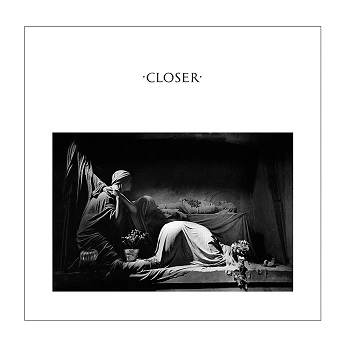
Joy Division
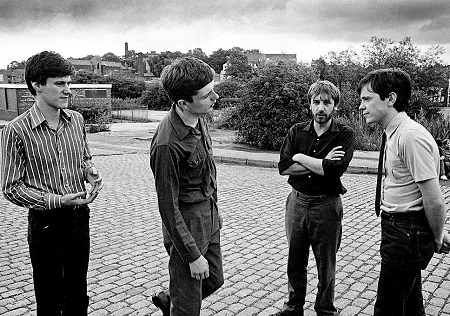
Closer is the second and final studio album by the English rock band Joy Division, released on 18 July 1980 by Factory Records two months after the death of their lead singer and lyricist, Ian Curtis. In retrospect, this powerful, solemn piece of work seems to point straight at singer Ian Curtis’s suicide. The band’s reverberating mesh of minor-key lines and Curtis’s bass voice are gloomy enough on their own, and attention to the words reveals references to blacker-than-black stories by JG Ballard and Joseph Conrad
Compared to their previous album, Unknown Pleasures, this release incorporates more synthesizers and features a more complex sound. The album continues to be influential and appears in modern media. After the album’s release, the surviving members formed New Order
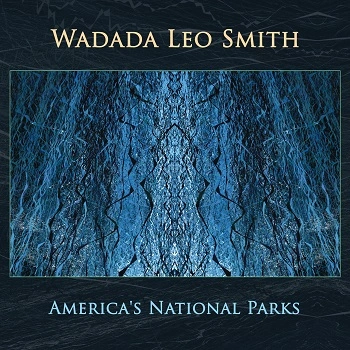
wadada leo Smith
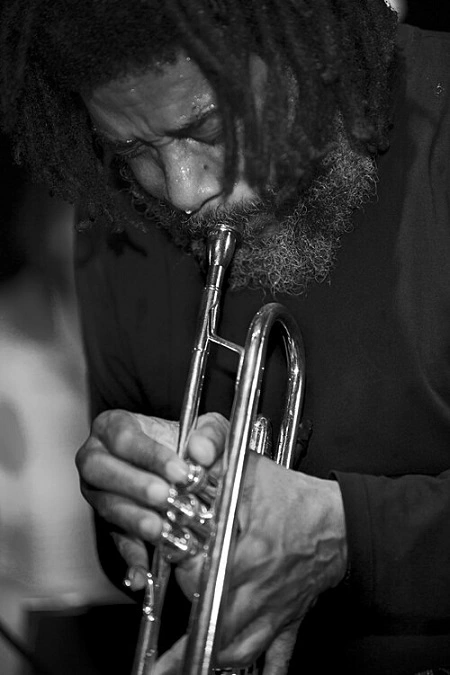
With America’s National Parks, the visionary composer and trumpeter offers another epic collection, a six-movement suite inspired by the scenic splendour, historic legacy, and political controversies of the country’s public landscapes. Movements in the suite celebrate individual national parks as well as noteworthy musical thinkers. The quartet, Pianist Anthony Davis, bassist John Lindberg and drummer Pheeroan akLaff are joined by cellist Ashley Walters, affording the composer and bandleader new melodic and coloristic possibilities. “The cello as a lead voice with the trumpet is magnificent,” Smith says, “but when you look at the possibilities for melodic formation with the trumpet, the cello, the piano and the bass, that’s paradise for a composer and for a performer.”
Paul Hindemith
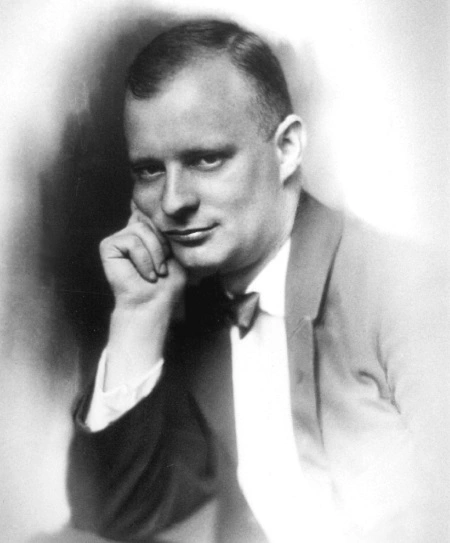
Konzertmusik, Op. 50 (Concert Music for Brass and Strings) is a significant orchestral work commissioned for the 50th anniversary of the Boston Symphony Orchestra in 1930. It is known for its exploration of instrumental timbres, structural sophistication, and a contrapuntal style. Part I features a bold brass theme against energetic string counterpoint. Part II is characterized by a lively fugue dominated by the strings, with brass interjections. A middle section highlights the viola before returning to the contrapuntal material.
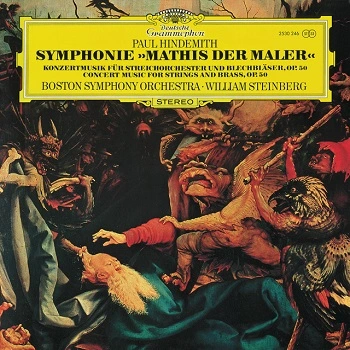
Symphony: Mathis der Maler (Matthias the Painter), composed in 1934, is one of the most significant orchestral works of the 20th century. It was derived from his opera of the same name, which tells the story of the Renaissance painter Matthias Grünewald and his struggle for artistic integrity during the German Peasants’ War. Grünewald’s internal struggle reflects in the three movements of the symphony, each inspired by paintings from the famed Isenheim Altarpiece: 1. Angelic Concert – a heavenly depiction of angels singing at the birth of Christ. 2. Entombment – a moving portrayal of Christ’s burial. 3. The Temptation of Saint Anthony – a vivid musical battle representing the tension between creative expression and external adversities. Der Schwanendreher (1935) is a cornerstone of the viola concerto repertoire, famously composed during a period of intense political tension in Nazi Germany. Hindemith, a virtuoso violist himself, premiered the work in Amsterdam on 14 November 1935. The concerto is often called the “Concerto after Old Folk Songs” because each movement is based on German folk melodies from the 15th to 17th centuries: Hindemith scored the work for a small wind section and a string section that
Symphonic Metamorphosis of Themes by Carl Maria von Weber (1943) is one of the most celebrated orchestral works of the 20th century. Written shortly after the composer emigrated to the United States, it transformed obscure 19th-century melodies into a virtuosic “American symphony” filled with jazz-inflected harmonies and brilliant orchestration. Hindemith took themes from Weber’s piano duets and incidental music, preserving the melodies almost exactly but “metamorphosing” the harmony, rhythm, and structure. I. Allegro – A confident and aggressive march with East European flavour. Turandot, Scherzo – A whimsical and delicate movement with a distinct oriental flavour. The middle section features the brass, woodwind, and percussion sections in turn. Andantino – This slow movement closes with an elaborate bit of counterpoint for the flute, which has been said to resemble bird song.
Marsch – Possibly the best-known movement, it opens with a set of fanfares. The original theme was meant to be a funeral march; Hindemith doubles the tempo to give the previously morbid tune a jaunty, catchy feel.
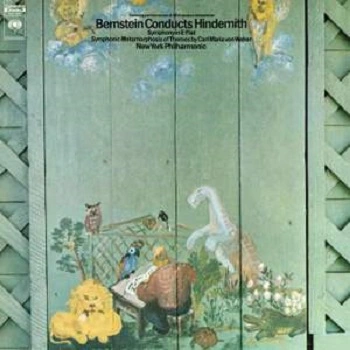
Symphony in E-flat (1940) is a major orchestral work written shortly after the composer emigrated to the United States. It is celebrated for its neo-classical structure, heroic energy, and intricate counterpoint.
Holly herndon
Platform is the second studio album by American electronic producer Holly Herndon, released on May 19, 2015, via 4AD. The album received wide critical acclaim upon its release, highly regarded for its forward-thinking fusion of experimental electronic music, dance rhythms, and pop structures. The album explores how to engage with technology in a positive way, viewing the laptop as a “hyper-emotional instrument”. Tracks like “Home” directly address the NSA revelations, using echoey vocals and bass thuds to create an atmosphere of being watched. Herndon used a patch to record her own web browser audio, incorporating sounds like email notifications, Skype conversations, and pop-up ad speech into her compositions. Drowned in Sound wrote that “at once Herndon’s most accessible and most adventurous record, this is digital age avant-garde sound art put through a pop prism, and it’s all the more exciting as a result.” Heather Phares of AllMusic described the album as “nuanced in how it combines political, technological and structural and ideological concepts.”

Classical Album
Paul Hindemith

Jazz Album
wadada leo smith