
contemporary Music – issue #2 – Blues
The blues emerged at a particular time, in a particular place as a response to social and economic conditions. The Blues is a music genre and musical form that originated among African Americans. This genre of music came from the souls of slaves and emerged simultaneously throughout the South, originating as early as 1860. The blues has a distinct melancholic and sombre tone, which is achieved through vocal techniques such as melisma, rhythmic techniques such as syncopation, and instrumental techniques such as “choking” guitar strings on the neck or applying a metal slide to the guitar strings to create a whining voice-like sound. Melisma is the act of singing several different notes while holding a single syllable of text. Chroniclers began to report about blues music at the dawn of the 20th century. The first publication of blues sheet music was in 1908. Blues has since evolved from unaccompanied vocal music and oral traditions of slaves into a wide variety of styles and subgenres. Blues songs are lyrical rather than narrative; blues singers are expressing feelings rather than telling stories. The emotion expressed is generally one of sadness or melancholy, often due to problems of love but also oppression and hard times. The Great Depression and the World Wars caused the geographic dispersal of the blues as millions of Blacks left the South for the cities of the North. The blues became adapted to the more sophisticated urban environment. Lyrics took up urban themes, and the blues ensemble developed as the solo bluesman was joined by a pianist or harmonica player and then by a rhythm section consisting of bass and drums. The electric guitar and the amplified harmonica created a driving sound of great rhythmic and emotional intensity. The blues have influenced many other musical styles. The blues have had their greatest influence on rock music and blues and jazz are closely related. While hip-hop and rap music tends to be harmonically and melodically static, artists such as Kanye West and Jay-Z have used samples extracted from blues songs as the basis for new music. The lyrics too, are similar to early blues, commenting on personal situations, unjust societies and disillusionment with the urban environments in which the musicians live.
Join the Conversation!!!
we will Feature Up to 3 Albums from Artists representative of a range of the Many sub-genres. We Hope to encourage Listeners of all tastes and passions. So Get your Headphones on and Consider discussing the musical Offering and sharing your views with like-minded peers.
In Issue #2, we feature buddy Guy
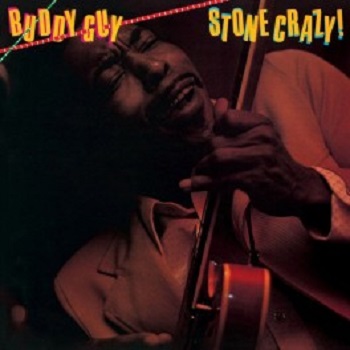
stone crazy is A fine album of Chicago blues/electric blues, with excellent guitar solos (also by his brother. Phil Guy) and a nice, impassioned, emotional voice. Buddy Guy mostly indulges his histrionic side throughout this high-energy set, first issued in France and soon picked up for domestic consumption by Alligator. Stone Crazy! is a particularly attractive proposition for rock-oriented fans, who will no doubt dig Guy’s non-stop incendiary, no-holds-barred guitar attack and informal arrangements. The album has critics and blues purists may want to look elsewhere.
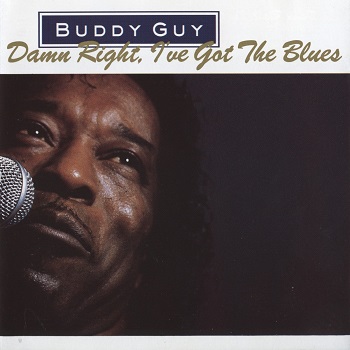
Damn Right, I’ve Got the Blues is a Grammy Award-winning album by blues guitarist Buddy Guy, originally released in 1991. The album is widely considered a major commercial comeback and features collaborations with renowned artists such as Eric Clapton, Jeff Beck, and Mark Knopfler.
However, it’s Guy who burns brightest–and loudest. He delivers roaring, exuberant performances of classic R&B (“Mustang Sally”), old-time blues (“Black Night”) and house rockers (“Where Is the Next One Coming From”). Most poignant, though, is his seven-minute instrumental “Rememberin’ Stevie”, which not only rekindles the fiery spirit of his own youth, but pays sensitive tribute to Stevie Ray Vaughan. Reviewers and fans praised the album for its raw emotion, passionate vocals, and masterful guitar skills.
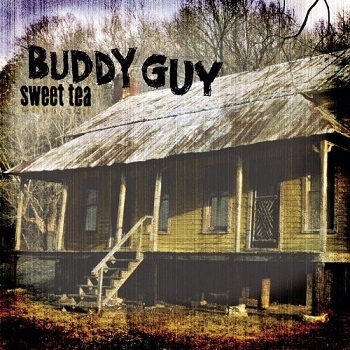
Sweet Tea is the eleventh studio album released on May 15, 2001, by Silvertone/Jive records. The album is noted for its raw, heavy sound, featuring elements of Hill Country Blues and rock. The album contains nine tracks, including several covers of songs by other blues artists, most notably four by Junior Kimbrough who had died in 1998. Sweet Tea is imbued with a raw, punk attitude, which will help it easily cross over to the alternative rock crowd. At the same time, hardcore blues fans will dig the wild abandon and sheer intensity of Guy’s remarkable playing and singing throughout. It ain’t pretty, but it’s real.
stone crazy
Damn Right I’ve got the blues
sweet Tea
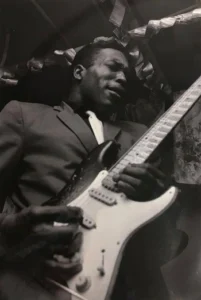
George “Buddy” Guy (born July 30, 1936) is an American blues guitarist and singer. He is an exponent of Chicago blues who has influenced generations of guitarists. Guy played with Muddy Waters as a session guitarist at Chess Records and began a mus ical partnership with blues harp virtuoso Junior Wells. Guy has won eight Grammy Awards and a Lifetime Achievement Award.
Influenced by both acoustic blues and the newly emerging electric sounds—often accompanied by flashy showmanship—Guy began playing guitar at roadhouses with local bands in his teens. His style evolved as he learned from other musicians, and especially when he began using solid body electric guitars, most notably the Fender Stratocaster, which eventually become part of his signature sound. He decided to move to Chicago, at that time the centre of blues music, in 1957. There he played in clubs and made his early reputation with Chess Records. Although Guy recorded forty-seven songs under his own name while under contract to Chess Records from 1960 to 1967, the label showed no interest in releasing an album, perceiving him primarily as a versatile session guitarist who could play behind its more established stars, such as Muddy Waters and Howlin’ Wolf. His best album of the ’60s originally didn’t even have his name on it (Junior Wells’ Hoodoo Man Blues). Chess offered to let Guy record his own style of music, but too late—Guy had just signed a contract with Vanguard Records that offered him artistic control, though none of the albums he recorded with Vanguard were completely successful. Guy also created showcases for live music in Chicago, when in 1972 he bought a blues bar called the Checkerboard, which remained open until 1985. In 1989, he opened Buddy Guy’s Legends, a premier venue for live blues music in downtown Chicago.
Perhaps the first full-length recording that accurately represented Guy’s style was Stone Crazy! recorded in one session while he was on a tour of France and released in America in 1981 by Alligator Records. Guy signed with Silvertone Records in 1990, and he finally achieved his first unalloyed successes with both critics and fans, resurrecting his career and earning him his first Grammy Award for best contemporary blues album. Now well into his fifties, he had finally begun the richest and most productive period of his career, and he would win the same Grammy Award in 1993, for Feels Like Rain, and in 1995, for Slippin’ In. Can’t Quit the Blues. This definitive three-album boxed set, which surveys the first fifty years of Guy’s music, beginning with his 1957 demo for Ace Records, was released in 2006 to coincide with his seventieth birthday. Guy’s sporadic and inconsistent recording history, mostly with small record companies, had made it extraordinarily difficult for fans to obtain his earlier works, and this release addressed that need.
Guy released his eighteenth studio album, The Blues Is Alive and Well, in 2018. He followed that album with The Blues Don’t Lie in 2022. In April 2025, he made a surprise appearance in director Ryan Coogler’s vampire action-drama Sinners, playing an aging blues artist. That same year, celebrated his 89th birthday and released his 20th studio-album, Ain’t Done With the Blues, on which was joined by a handful of guests, including Joe Walsh, Joe Bonamassa, and Peter Frampton.

Sound quality is important and the better online Streaming services will offer superior sound quality. As always, We do encourage you to purchase Favoured albums from good online or High street record stores.
Artists in upcoming issues: John mayall, joe bonamassa, john lee hooker.....Keep Listening!! JOIN THE CONVERSATION...
“Comments are most welcome and appreciated”