contemporary Music – issue #1 – folk rock
Folk rock is a popular music genre that emerged in the mid-1960s, primarily in the U.S. and UK, by blending the acoustic, lyrical, and melodic elements of folk music with the electric instrumentation, rhythm, and energy of rock & roll. It often features close vocal harmonies, poignant songwriting, and jangly guitars.
The American folk-music revival began during the 1940s; building on the interest in protest folk singers such as Woody Guthrie and Pete Seeger, it reached a peak in popularity in the mid-1960s with artists such as Bob Dylan and Joan Baez: The Byrds are credited with creating the genre’s “jangle” sound, particularly with their 1965 cover of Bob Dylan’s “Mr. Tambourine Man”. Dylan himself popularized the genre by “going electric” at the 1965 Newport Folk Festival. Besides Dylan and The Byrds, notable artists include Crosby, Stills, Nash & Young, Buffalo Springfield, Simon & Garfunkel, and The Band. In the UK, bands like Fairport Convention and Steeleye Span developed a distinct sound by electrifying traditional British folk tunes. Common instruments include acoustic and electric guitars, mandolin, banjo, and fiddle. In the United States folk rock acts personified a generalized, often self-righteous youthful rebellion that in its more pointed songs was labelled “protest” music. In Britain folk rock tended to be more respectful of tradition and combined centuries-old folk material with original, tradition-flavoured songs arranged for folk rock ensembles that often used old instruments to maintain a strong Celtic flavour.
While the folk rock movement began and quickly surged in the 1960s, it has continued through the present day. It has spawned many offshoots, including psychedelic folk rock (Jefferson Airplane), country rock (the Flying Burrito Brothers, John Prine), progressive folk music (Richard Thompson, O’Death), punk-inspired folk rock (the Replacements, Dinosaur Jr., Buffalo Tom), and even folk metal (Skyclad, Moonsorrow). The annual Newport Folk Festival brings disparate folk acts together highlighting the wide array of songwriting and performance styles in today’s folk rock music.
Join the Conversation!!!
we will Feature Up to 3 Albums from Artists representative of a range of the Many sub-genres. We Hope to encourage Listeners of all tastes and passions. So Get your Headphones on and Consider discussing the musical Offering and sharing your views with like-minded peers.
In Issue #1, we feature Fairport Convention
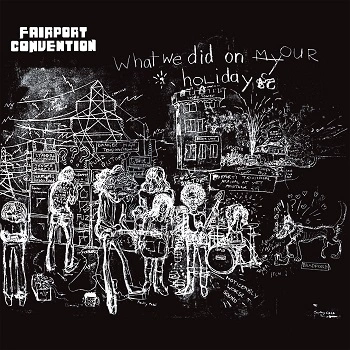
What We Did on Our Holidays is the second studio album released in December 1968, notable for showcasing the band’s shift towards the folk rock genre for which they would become famous. The album is a highly influential record, considered a key development in British folk rock, Sandy Denny’s haunting, ethereal vocals gave Fairport a big boost on her debut with the group. A more folk-based album than their initial effort. This contains several of their greatest moments: Denny’s “Fotheringay,” Richard Thompson’s “Meet on the Ledge,” the obscure Joni Mitchell composition “Eastern Rain,” the traditional “She Moves Through the Fair,” and their version of Bob Dylan’s “I’ll Keep It with Mine.”.
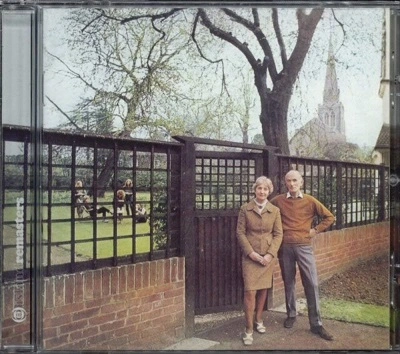
Unhalfbricking is the third studio album released in 1969. It is considered a pivotal, transitional album in the band’s history, as it marked a decisive shift from American-influenced rock towards a distinctly English folk rock sound. The 11-minute rendition of the traditional song “A Sailor’s Life” is often cited as the first true example of British electric folk rock. It features lead vocalist Sandy Denny’s most famous and widely covered composition, “Who Knows Where the Time Goes?”. The album also includes Bob Dylan covers like the French-language single “Si Tu Dois Partir” (If You Gotta Go, Go Now), which was their only UK Top 40 single. The album was the last to feature drummer Martin Lamble before his tragic death in a van crash two months before the album’s release in May 1969. It also marked the first session contributions from fiddler Dave Swarbrick, who would soon join as a full member. The iconic UK cover art features a photo of Denny’s parents standing in their garden in Wimbledon, with the band visible in the background.
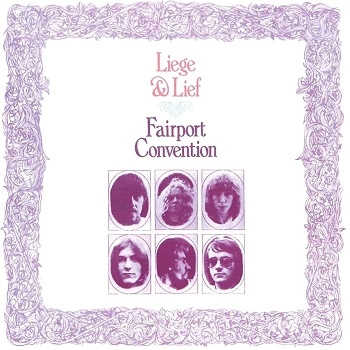
Liege & Lief is the seminal fourth studio album, released in December 1969. It is widely considered the definitive work that established the template for British folk rock, blending traditional English folk melodies with rock instrumentation. It moved away from the band’s earlier American-influenced sound to explore indigenous British and Celtic traditions. BBC Radio 2 listeners voted it the “Most Influential Folk Album of All Time”. The album was recorded during a period of recovery for the band following a tragic 1969 car accident that killed drummer Martin Lamble and Richard Thompson’s girlfriend, Jeannie Franklyn.Liege & Lief was the most purely folk-oriented Fairport Convention album to date, it also rocked hard in a thoroughly original and uncompromising way; the “Lark in the Morning” medley swings unrelentingly, the group’s crashing dynamics wring every last ounce of drama from “Tam Lin” and “Matty Groves,” and Thompson and Swarbrick’s soloing is dazzling throughout.
what We did on our holidays
unhalfbricking
Liege & Lief
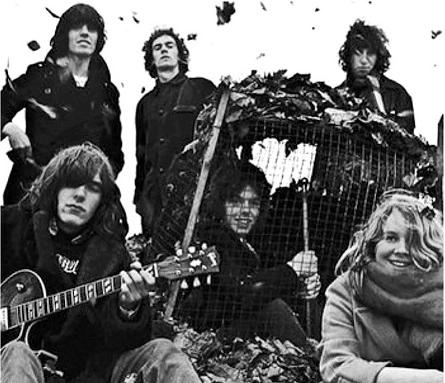
Fairport Convention are an English folk rock band, formed in 1967 by guitarists Richard Thompson and Simon Nicol, bassist Ashley Hutchings and drummer Shaun Frater (with Frater replaced by Martin Lamble after their first gig). They started out influenced by American folk rock. Vocalists Judy Dyble and Iain Matthews joined them before the recording of their self-titled debut in 1968, afterwards, Dyble was replaced by Sandy Denny, and Matthews later left during the recording of their third album. Denny began steering the group towards traditional British music for their next two albums, What We Did on Our Holidays and Unhalfbricking (both 1969); the latter featured fiddler Dave “Swarb” Swarbrick. Then turning entirely towards British folk music for their seminal album Liege & Lief. For this album Swarbrick joined full-time, alongside drummer Dave Mattacks. Both Denny and Hutchings left before the year’s end; the latter replaced by Dave Pegg, who has remained the group’s sole consistent member to this day; Thompson left after the recording of 1970’s Full House. The 1970s saw numerous lineup changes around the core of Swarbrick and Pegg – Nicol being absent for the middle of the decade – and declining fortunes as folk music fell out of mainstream favour. Denny, whose partner Trevor Lucas had been a guitarist in the group since 1972, returned for the pop-oriented Rising for the Moon album in 1975 in a final bid to crack America; this effort failed, and after three more albums minus Denny and Lucas, the group disbanded in 1979.
The band was reformed by Nicol, Pegg, and Mattacks in 1985, joined by Maartin Allcock (guitar, mandolin, keys, vocals) and Ric Sanders (fiddle, keyboards), and they have remained active since. Allcock was replaced by Chris Leslie (mandolin, violin, vocals) in 1996, and Gerry Conway replaced Mattacks in 1998. Conway departed in 2022, owing to Motor Neurone Disease which would claim his life in 2024, and Mattacks returned on a part-time basis. The group currently alternate between tours where Mattacks features and acoustic tours with just Nicol, Pegg, Sanders and Leslie. Their 29th studio album, Shuffle and Go was released in 2020, and they continue to headline Cropredy each year.
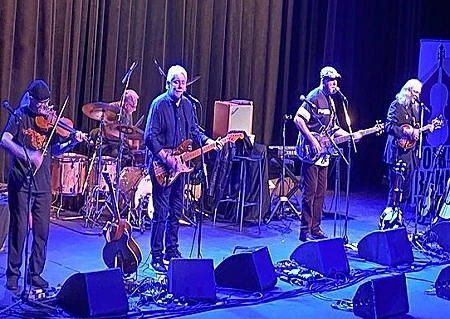
Fairport Convention remain highly influential in British folk rock and British folk in general. Liege & Lief was named the "Most Influential Folk Album of All Time" at the BBC Radio 2 Folk Awards in 2006, and Pegg's playing style, which incorporates jigs and reels into his basslines, has been imitated by many in the folk rock and folk punk genres. Additionally, many former members went on to form or join other notable groups in the genre, Including Fotheringay, Steeleye Span, and the Albion Band; along with solo careers, most notably Thompson and Denny. Sandy Denny, now regarded as being amongst Britain's finest female singer-songwriters, died in 1978.
Sound quality is important and the better online Streaming services will offer superior sound quality. As always, We do encourage you to purchase Favoured albums from good online or High street record stores.
Artists in upcoming issues: Steeleye Span, The Decemberists, Richard & linda Thompson .....Keep Listening!! JOIN THE CONVERSATION...
“Comments are most welcome and appreciated”