
contemporary Music – issue #5 – folk / Country rock
Folk rock is a popular music genre that emerged in the mid-1960s, primarily in the U.S. and UK, by blending the acoustic, lyrical, and melodic elements of folk music with the electric instrumentation, rhythm, and energy of rock & roll. It often features close vocal harmonies, poignant songwriting, and jangly guitars.
The American folk-music revival began during the 1940s; building on the interest in protest folk singers such as Woody Guthrie and Pete Seeger, it reached a peak in popularity in the mid-1960s with artists such as Bob Dylan and Joan Baez: The Byrds are credited with creating the genre’s “jangle” sound, particularly with their 1965 cover of Bob Dylan’s “Mr. Tambourine Man”. Dylan himself popularized the genre by “going electric” at the 1965 Newport Folk Festival. Besides Dylan and The Byrds, notable artists include Crosby, Stills, Nash & Young, Buffalo Springfield, Simon & Garfunkel, and The Band.In the UK, bands like Fairport Convention and Steeleye Span developed a distinct sound by electrifying traditional British folk tunes. Common instruments include acoustic and electric guitars, mandolin, banjo, and fiddle. In the United States folk rock acts personified a generalized, often self-righteous youthful rebellion that in its more pointed songs was labelled “protest” music. In Britain folk rock tended to be more respectful of tradition and combined centuries-old folk material with original, tradition-flavoured songs arranged for folk rock ensembles that often used old instruments to maintain a strong Celtic flavour. While the folk rock movement began and quickly surged in the 1960s, it has continued through the present day. It has spawned many offshoots, including psychedelic folk rock (Jefferson Airplane), country rock (the Flying Burrito Brothers, John Prine), progressive folk music (Richard Thompson, O’Death), punk-inspired folk rock (the Replacements, Dinosaur Jr., Buffalo Tom), and even folk metal (Skyclad, Moonsorrow). The annual Newport Folk Festival brings disparate folk acts together highlighting the wide array of songwriting and performance styles in today’s folk rock music.
Join the Conversation!!!
we will Feature Up to 4 Albums from Artists representative of a range of the Many sub-genres. We Hope to encourage Listeners of all tastes and passions. So Get your Headphones on and Consider discussing the musical Offering and sharing your views with like-minded peers.
In Issue #5, we feature Crosby, Stills and Nash (CSN)
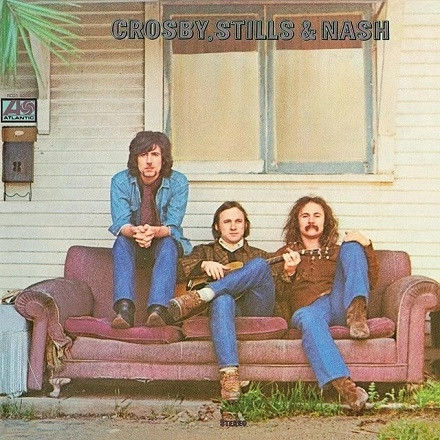
Released on May 29, 1969, Crosby, Stills & Nash is the self-titled debut album by the folk-rock supergroup. Featuring the legendary three-part harmonies of David Crosby (The Byrds), Stephen Stills (Buffalo Springfield), and Graham Nash (The Hollies), it established the trio as a cornerstone act of the Woodstock era.The album features several tracks that became defining classics of the late 1960s: “Suite: Judy Blue Eyes” – A multi-part, epic folk song written by Stephen Stills.
“Marrakesh Express” – A buoyant pop track by Graham Nash.
“Guinnevere” – A dreamy, acoustic ballad by David Crosby.“Wooden Ships” – An apocalyptic yet hopeful song written collectively by Crosby, Stills, and Paul Kantner.
“Helplessly Hoping” – An intricately harmonized acoustic masterpiece.
“Long Time Gone” – A potent, bluesy indictment of the Robert Kennedy assassination.
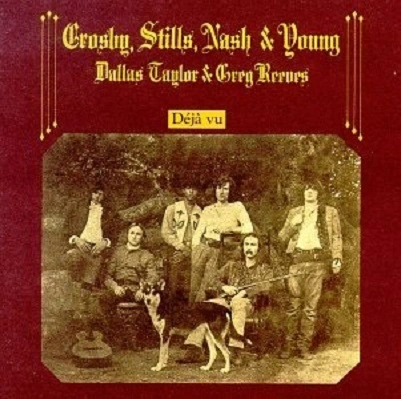
Déjà Vu is the second studio album and their first as a quartet. Released in 1970, by Atlantic Records. It marked the highly anticipated addition of Canadian singer-songwriter Neil Young to the existing trio, transforming their sound by adding a sharper, more electric edge to their signature lush vocal harmonies. The album was an immense commercial and critical triumph. Notable tracks: “Carry On”: Written by Stephen Stills, this driving track features intricate vocal stacks and serves as the album’s powerful opener.
“Teach Your Children”: A country-inflected hit written by Graham Nash, featuring distinctive pedal steel guitar work by Jerry Garcia.
“Our House”: Nash’s iconic, cozy pop-folk ode to his domestic life with Joni Mitchell in Laurel Canyon.
“Helpless”: A sparse, aching, and deeply melancholic ballad written and sung by Neil Young. “Woodstock”: A heavy, electrified rock re-imagining of Joni Mitchell’s acoustic celebration of the legendary festival.
“Almost Cut My Hair”: David Crosby’s raw, bluesy counterculture anthem addressing the paranoia and personal freedom of the era
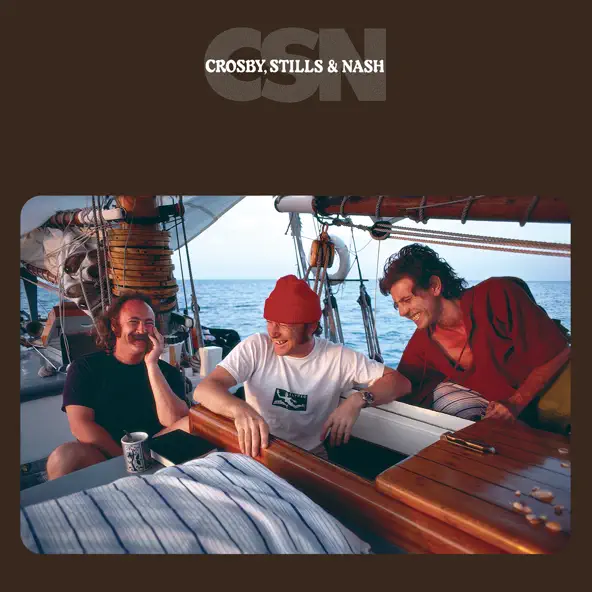
CSN is the self-titled third studio album by the folk-rock supergroup released in 1977 by Atlantic Records. It served as the trio’s long-awaited reunion album following a multi-year period of solo releases, duets, and aborted collaborations after their 1970 album Déjà Vu. CSN has a greater sense of uniformity as each master musician perfectly complements the other, thereby making this a perfect entry point and arguably their most accessible album. featuring strong writing from all three members. Crosby continued the existential probings consistent with much of his past work. Many of Stills’ songs on the album echo his marital problems, with “Dark Star” returning to the Latin rhythms he had favored all the way back to his Buffalo Springfield days.“Fair Game” too combines Latin rhythm with neatly interlocking harmonies, and layers of thoughtful acoustic guitar work. Nash offered both a radio-ready acoustic ballad with “Just a Song Before I Go”, and an elaborate set piece re-creating a vision of an LSD experience that he had in Winchester Cathedral with “Cathedral”. one of the better songs Graham Nash has written is “Carried Away” and together with Crosby’s backing vocal and harmonica is an excellent track. Cold Rain has a piano introduction before building into another harmonic gem.
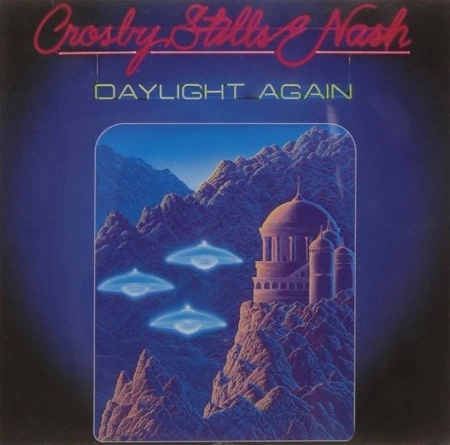
Daylight Again is the fourth studio album and their third studio album in the trio configuration. Daylight Again has aged gracefully. Fans and modern reviewers view it as the last great studio effort by the trio configuration before David Crosby’s passing in 2023. The genesis of the album lies in recordings made by Stephen Stills and Graham Nash at intervals in 1980 and 1981 and the album was originally slated to be a Stills–Nash project. Atlantic Records executives refused to release a Stills-Nash album, insisting on a full CSN product. Under financial and label pressure, Nash and Stills brought Crosby into the project at the eleventh hour.though his physical presence on the rest of the album remains minimal, Crosby brought two tracks to the album: “Delta”, A beautiful, haunting piano ballad written by David Crosby. It is highly regarded by critics as his standout contribution to the album, recorded during a very dark period in his life. Stills and Nash squeezed their vocals into Crosby’s already-taped multi-tracked harmonies. a second song from Crosby was “Might As Well Have a Good Time”, which received the bona fide CSN treatment. Most of the recording, however, features other voices in addition to the main trio, a first for any CSN record as is the number of outside writers. Graham Nash wrote the album’s biggest hit, “Wasted on the Way”, about the time the group spent in squabbles and diversions rather than concentrating on their music. The second single, “Southern Cross”, was Stills’ partial rewrite of an unreleased song by the Curtis brothers.this sailing epic would become one of CSN’s definitive anthems. “Daylight Again / Find the Cost of Freedom”: The title track transitions into an updated version of their classic 1970 anti-war protest song, featuring Art Garfunkel singing the third harmony part instead of Crosby.
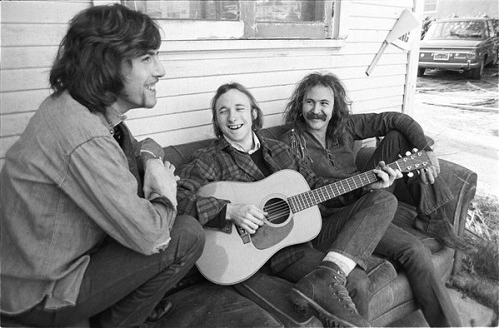
Crosby, Stills & Nash (CSN) was a folk-rock supergroup composed of the American singer-songwriters David Crosby: Contributed jazz-influenced open tunings, social commentary, and a rebellious edge. Stephen Stills: Served as the primary multi-instrumentalist, anchoring the band’s acoustic blues and progressive folk-rock sound. Graham Nash: Provided accessible pop sensibilities, clear high harmonies, and commercial appeal. When joined by the Canadian singer-songwriter Neil Young (also formerly of Buffalo Springfield), they were known as Crosby, Stills, Nash & Young (CSNY). They are noted for their intricate vocal harmonies and lasting influence on American music and culture, their political activism and their tumultuous relationships..
CSN emerged when David Crosby, a guitarist and singer-songwriter for the Byrds and Stephen Stills, a guitarist, keyboardist, and singer-songwriter with Buffalo Springfield joined with Graham Nash, a guitarist, singer, and songwriter with the Hollies. Crosby had been sacked from the Byrds in October 1967 due to disagreements over his songwriting. His first meeting with Stills was at the Monterey Pop Festival, where Crosby subbed for Neil Young (who quit the band before the gig) with Buffalo Springfield. By early 1968, Buffalo Springfield had disintegrated and Stills was unemployed following recording of their final album. Following the Monterey gig, Stills and Crosby began meeting informally and jamming. Graham Nash first met Crosby on the Byrds’ UK tour of 1966. Two years later, Nash relocated to California in 1968 and resumed his acquaintance with him. Nash met Stills at a party at Peter Tork’s house in Laurel Canyon. Nash decided to quit the Hollies in December 1968 and flew to Los Angeles two days later, feeling that the new-forming CSN would be a better fit for him. The trio travelled to London in early 1969 to rehearse for what turned out to be an unsuccessful audition with the Beatles’ Apple Records. However, back in California, Ahmet Ertegun, who had been a fan of Buffalo Springfield and was disappointed by that band’s demise, signed them to Atlantic Records. the trio decided not to be locked into a group structure. They used their surnames as identification to ensure independence and a guarantee that the band could not continue without one of them. The trio’s first album, Crosby, Stills & Nash, was released in May 1969. The eponymously titled album was a major hit in the United States, that spawned two Top 40 hits (“Suite: Judy Blue Eyes” and “Marrakesh Express”. With the exception of drum parts (primarily performed by Dallas Taylor) and a handful of rhythm and acoustic guitar parts from Crosby and Nash, Stills handled most of the instrumentation (including every lead guitar, bass and keyboard part) on the album, which left the band in need of additional personnel to be able to tour, a necessity given the debut album’s commercial impact. The trio expanded to a quartet after Young joined under terms of contract that allowed Young full freedom to maintain a parallel career with his new band, Crazy Horse. The expanded group embarked on a four-leg, 39-date tour that ended with three European concerts in January 1970.
Their appearance at the festival and in the subsequent movie Woodstock, along with recording the Joni Mitchell song memorializing Woodstock, boosted the visibility of the quartet. CSNY appeared at other prominent festivals that year.Great anticipation had built for the expanded supergroup and their first album with Young, Déjà Vu, which arrived in stores in March 1970. During recording sessions to achieve a follow-up to Déjà Vu, renewed tensions arose. Young left once again following a tumultuous argument. As the remaining members (augmented by a variety of session musicians, including Sklar and Kunkel) attempted to complete the album under the CSN name, the feud between Stills and Nash resurfaced. The sessions promptly dissolved. Shortly thereafter, Crosby and Nash signed a separate contract with ABC Records and began to tour regularly again, playing a more intimate array of sports arenas, outdoor festivals and theatres. During this period, they produced two studio albums, Wind on the Water in 1975 and Whistling Down the Wire in 1976. Meanwhile, Stills and Young returned to their own careers. Later in 1976, Stills approached Crosby and Nash during a performance at the Greek Theatre in Los Angeles, setting the stage for the return of the trio. Less than a year after reforming, Crosby, Stills & Nash released CSN. Recorded at Criteria Studios in Miami under the aegis of Ron and Howard Albert the album exemplified the meticulously stylized soft rock production ethos of the epoch.
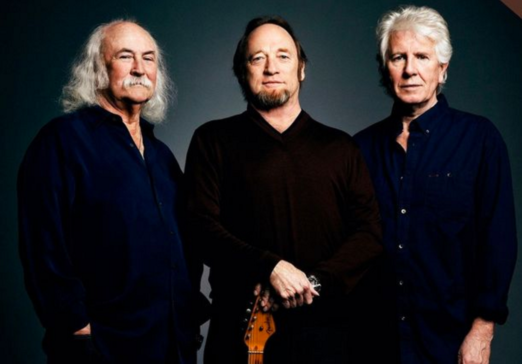
The Supergroup Blueprint: They were one of the first bands built entirely from musicians who had already found fame in other major 1960s groups. Their history was plagued by intense infighting and frequent breakups, which they openly channelled into their music. CSN was inducted into the Rock and Roll Hall of Fame in 1997, and all four members have also been inducted separately for their work in other bands.
The album became the trio configuration’s best-selling album to date. After successful arena tours in 1977 and 1978, further work as a group was complicated by Crosby’s newfound dependence on freebase cocaine. Ahmet Ertegun, who seldom intervened in the band’s affairs refused to reimburse their expenses or release the Nash Stills LP Daylight Again until Crosby was reinstated. Crosby contributed “Delta” (his last original composition for several years) and a cover of Judy Henske’s and Craig Doerge’s “Might as Well Have a Good Time” along with some additional vocals on other tracks. Although the success of Daylight Again inaugurated a new tradition of near-annual touring that persisted for over thirty years, the bottom soon fell out for Crosby, who was arrested and jailed on drug and weapons charges in Texas in May 1982. Crosby was sentenced to two terms, but the conviction was overturned; arrested several more times, he finally turned himself in to the authorities in December 1985.He spent eight months in prison. CSN recorded two more studio albums in the 1990s, Live It Up (1990) and After the Storm (1994); both albums sold poorly by previous standards.By the late 1990s, CSN found themselves without a record contract. They began financing recordings themselves, and in 1999 Stills invited Young to guest on a few tracks. Impressed by their gumption, Young increased his level of input, turning the album into a CSNY project, Looking Forward. The album was released at Young’s behest. The disc was better received than the previous three albums from a critical standpoint laying the groundwork for the ensuing CSNY2K Tour (2000) and the CSNY Tour of America (2002), both of which were major money-makers. Various compilations of the band’s configurations have arrived over the years, the compilation and oversight of these releases has largely been managed by Nash. In June 2009 Crosby, Stills and Nash performed at the Glastonbury Festival. Stephen Stills was praised for his exceptional guitar playing. Despite the unprecedented tumult between Crosby and Young, CSN embarked on a routine world tour encompassing American, European and Japanese venues in 2015. Nash announced in March, 2016 that Crosby, Stills & Nash would never perform again because of his recent estrangement from Crosby. On January 18, 2023, David Crosby died at 81, ending any possibilities of a full reunion.
Sound quality is important and the better online Streaming services will offer superior sound quality. As always, We do encourage you to purchase Favoured albums from good online or High street record stores. Crosby stills and Nash Label: - Atlantic Recording Corporation
Artists in upcoming issues: the Eagles, the grateful dead, joni Mitchell, Paul Simon....Keep Listening!! JOIN THE CONVERSATION...
“Comments are most welcome and appreciated”