Early pioneers like Grandmaster Flash and DJ Grand Wizard Theodore developed key techniques such as scratching and looping “break beats”—instrumental sections of songs that people could dance to. The core elements of rap include: Content: The lyrics, which often incorporate “street vernacular” and address a wide range of social and political issues, such as racism and poverty.Flow: The rhythm and rhyme scheme of the delivery. Delivery: The cadence, tone, and vocal qualities used by the rapper (MC). The Beat: The instrumental accompaniment, typically created by a DJ or producer using turntables, samplers, drum machines (like the iconic 808 drum machine), and synthesizers. Sampling and the evolution of rap and hip hop go hand in hand. Essentially, this comes down to combining old classics with contemporary sounds. Rap music has deep cultural roots and several precursors: The tradition of rhythmic storytelling by West African griots over drums is often cited as an early precursor; African American Traditions Influences blues and jazz vocal styles; Jamaican Toasting (or Deejaying) A Rhythmic Chanting or Talking Style Performed over a Beat; “playing the dozens,” a verbal game where participants exchange witty insults about each other’s family to demonstrate verbal skill and coolness without getting genuinely angry, evolving into ‘battle rap.’ and 1960s African American poetry and spoken word artists like The Last Poets and Gil Scott-Heron. Changes to the musical production of hip-hop, along with growing stylistic diversity and advances in technology, led to the community-imposed concept of an old and new school. The “Old School” is associated with the period from the early 1970s to the mid-1980s.Rap gained commercial viability in 1979 with The Sugarhill Gang’s “Rapper’s Delight” and later with artists like Kurtis Blow. “New School” rap was coined by the 2nd generation artist (1984) to distinguish the pop sensibilities of the first commercial generation of rap artists and ranged from the pop-oriented humorous style of the Fat Boys, for example, to the rock-oriented sounds of say, Run-D.M.C. Women rappers like Queen Latifah introduced Black women’s point of view to rap fans and proved that they were as skilled and commercially successful as the men.
contemporary Music – Rap – issue #6
Rap music is stylistically and lyrically diverse, representing a range of experiences and worldviews. originating in the Bronx, New York City, in the early 1970s. It features rhythmic, rhyming speech delivered over a musical backdrop, known as a beat or instrumental track. Its earliest performers comprise MCs (derived from master of ceremonies but referring to the actual rapper) and DJs (who use and often manipulate pre-recorded tracks as a backdrop to the rap), break dancers and graffiti writers. Rap music is a musical form of vocal delivery that is a primary component of hip-hop culture.
The chaotic sounds of Public Enemy and N.W.A became known as hardcore. The harsh lyrical content mirrored the deteriorating conditions of the inner-cities and pushed the boundaries of lyrical complexity and social commentary. also known as “conscious” rap and a sub-genre “gangsta” rap characterized by its lyrical focus on the often-violent realities of inner-city life, including crime, gang activity, and drug dealing. In the 2000s, hip-hop music was mainstream. Kanye West’s production and lyricism redirected attention away from gangsta rap and explored a range of topics including his middle-class upbringing, anti-Black racism, corporatism, and his faith presented in full ‘boasting’ style. additionally, Eminem will become a most revered lyricist, by rap artists and rap fans alike. Encouraging white artists to Foster relationships with people of colour and follow their lead in dismantling oppressive systems. a legacy of Vanilla Ice the first solo white rapper to achieve commercial success in 1990. Musically, music-making turned away from the East Coast and the West coast and found a new home in the South. Several epicentres develop influential styles: Miami (Miami bass), New Orleans (bounce), Houston (screwed), and Atlanta (crunk and trap). By the 2010s, socially conscious rap will cross over into the mainstream as R&B and rap artists respond to tension borne from increased police and vigilante shootings of unarmed Black men, women, and children, and from advances in technology for self-production and instant sharing through social media. Key artists include Kendrick Lamar. In the 2010s we witness the rise of female MCs as producers of critically acclaimed albums. Women leading the trend include Nicky Minaj and Cardi B. By the 21st century, rap had become a global phenomenon, influencing music, fashion, and culture worldwide. Fame in rap often comes with mainstream success and cultural impact, and few have shaped culture like Jay-Z. From his fluid rhymes about hustle and heartache to becoming a mogul in music and business, his influence spans beyond music charts to fashion and social activism.
Join the Conversation!!!
we will Feature Up to 4 Albums from Artists representative of a range of the Many sub-genres. We Hope to encourage Listeners of all tastes and passions. So Get your Headphones on and Consider discussing the musical Offering and sharing your views with like-minded peers.
In Issue #6, we feature kano
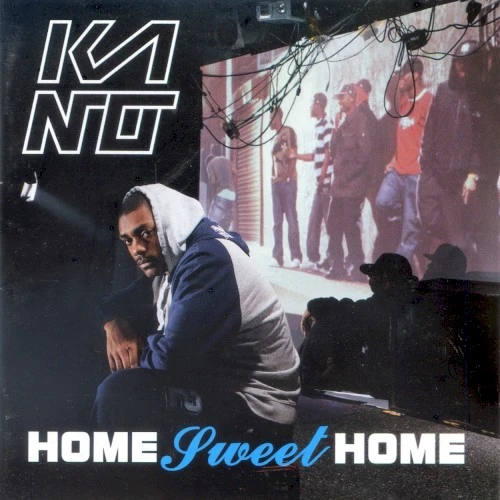
Home Sweet Home successfully weaves through well-aged rap rock (“Typical Me”, “Ghetto Kid”), iconic grime (“P’s and Q’s”, “Mic Check 1-2”, “Signs in Life”), sweetboy anthems (“Brown Eyes”) and traditional hip hop (“Sometimes”, “9 to 5”). Recorded when Kano was just 20 years old, the album is widely celebrated as a seminal, genre-defining classic of the UK grime and hip-hop scenes, serving as a vital launchpad for both Kano’s career and the mainstream crossover potential of grime music. It was an early display of experimentation (production credits include Mike Skinner, Fraser T Smith and even Diplo), The album stood out for its immaculate enunciation, witty wordplay, and incredibly diverse production styles. Singles from the album: “P’s and Q’s”: An iconic underground track and foundational grime anthem. “Typical Me” (featuring Ghetts): A raw, rock-infused track. “Nite Nite” (featuring Leo the Lion & The Streets): A softer, garage-influenced song. “Remember Me”: A lively track incorporating samba and horns. “Brown Eyes”: A smoother, R&B-leaning track. “Signs in Life”: The sweeping, reflective final track on the main tracklist. Kano’s biggest triumph is transforming of grime’s experimental mindset into a commercially viable, immediately accessible form. It is London bottled up in sixty minutes
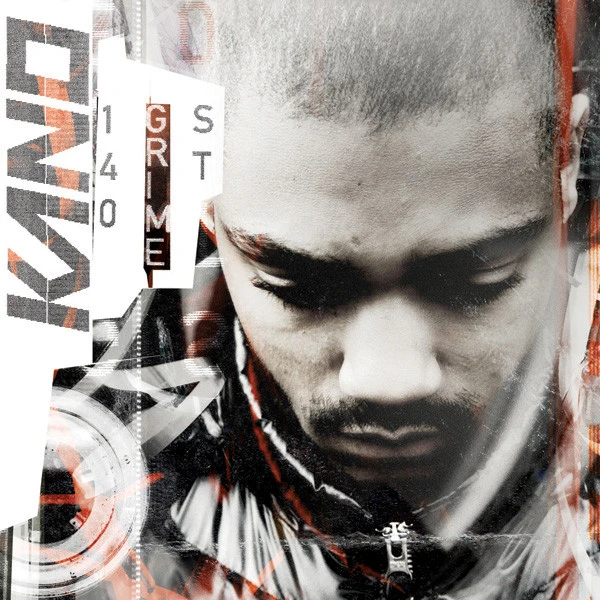
Kano’s grime roots have never defined his albums. Enter 140 Grime St, Kano’s only through and through grime album. The lukewarm reception to London Town saw him split ways with 679 Recordings and take it back to basics. This is his third studio album released in September 2008. Kano self-released this project under his independent label, Bigger Picture Music, which allowed him to rise above all the major label politics, reclaim creative control and return to his underground grime roots and do things his way. `Hustler’ is the first single to be taken from the album. A massive underground track with hard hitting intelligent lyrics showing the maturity of Kano today. On the album look out for the contributions from grime legend Wiley on `Anywhere We Go’ and Boy Better Know’s Skepta on `These MCs’ plus efforts from Davinche, Ghetto and Mikey J. Sixteen heavy tracks, one definitive Kano album masterpiece. Defined by its consistent horns production, there is never a dull moment on the album which manages to deliver darkness, futurism and instant appeal – first there’s the production – huge basslines belch out of the speakers, sweeping, epic strings and horns only add to the futuristic immensity of it all. Then there’s Kano’s rhymes, delivered with a freshness and conviction which sets him among the best of UK rap.
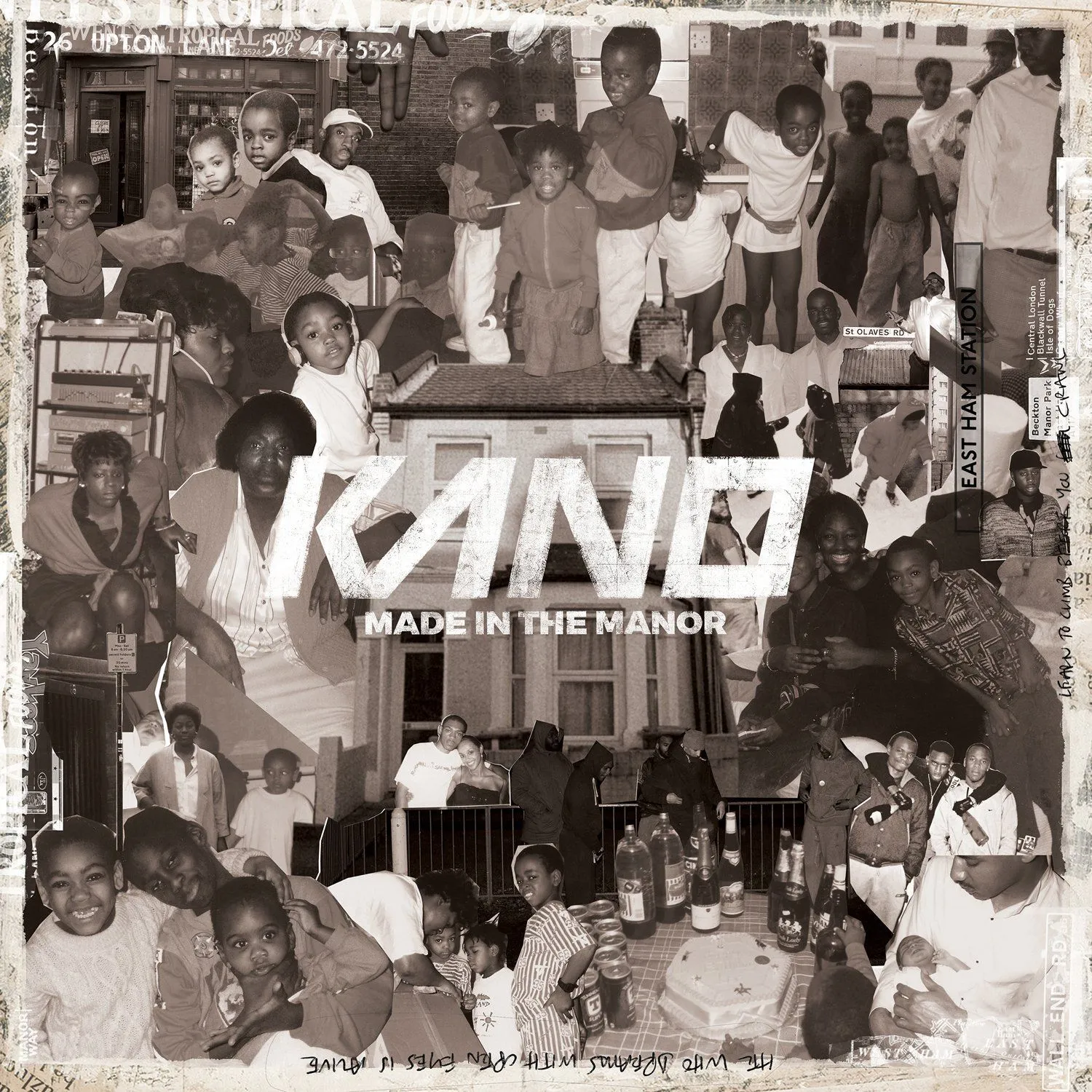
Made in the Manor (2016) A cinematic masterpiece and an ode to local identity, family, and growing up in London. It marked Kano’s massive creative rejuvenation after a six-year hiatus. The album is widely celebrated as an autobiographical, deeply honest, and forensic portrayal of growing up in East London. Kano explicitly uses local road names, postcodes, and childhood references to map out his past. The narrative balances two distinct perspectives high-energy, aggressive grime tracks celebrating street culture, rapid-fire flow, and musical dominance and deeply personal, vulnerable records tackling family estrangement, the dark side of inner-city life, lost friendships, and the complex perceptions of fame. Album tracks + bonus tracks: Hail — A bombastic opener featuring rock-infused guitars. T-Shirt Weather in the Manor — A nostalgic, piano-led standout reminiscing about warm London summers before escalating into the realities of violence. New Banger — A minimalist, hard-hitting grime track. 3 Wheel-Ups (feat. Wiley & Giggs) — The album’s most successful commercial single and a monumental link-up of UK rap royalty. This Is England — A gritty, witty commentary on modern British identity. Little Sis — A remarkably vulnerable track addressing his estranged half-sister. A Roadman’s Hymn — A vivid cinematic depiction of street life and youth looking up to local figures. Drinking in the West End — A narrative tracking a night out across different corners of London. Deep Blues (feat. Damon Albarn) — A melancholic piano track exploring grief, life choices, and material distractions. Endz — A triumphant declaration of his roots and staying power. Strangers — A soulful, brutally honest reflection on drifting apart from childhood friends. Seashells in the East — An intricately written track cautioning youth against becoming another statistic. My Sound — A genre-blending, sweeping final track. GarageSkankFREESTYLE (Bonus Track) — A massive, high-energy throwback to UK garage and pirate radio culture. Flow of the Year (feat. Jme) (Bonus Track) — A rapid-fire back-and-forth freestyle.

Hoodies All Summer is a culmination of his steady growth that saw him reach a new artistic peak. The album is a 10-track project exploring themes of knife crime, socio-economic struggles, and Black British identity. Perfection in production is unlocked by Blue May and Jodi Milliner, opting for a stripped-back, minimalist instrumentation mixed with strings, hip-hop, and dancehall elements. Yet it is Kano’s content that really sells the album. Narratives of police brutality centre “Free Years Later” and “Bang Down Your Door”, spotlighting their abuse of power. Youth politics are explored on “Good Youtes Walk Amongst Evil”. High-profile songs include “Trouble”, a deceptively nostalgic tune about living in an everyday war zone that samples the late campaigner Darcus Howe, while “Class of Deja” (a fierce homage to underground radio) finds Kano going head-to-head with veteran MCs D Double E and Ghetts in a furious old-skool back-and-forth that is testament to how thrilling a lyricist this 34-year-old can still be, and the late-summer anthem “Pan-Fried”. Hoodies All Summer is an album that calls for unity. It is socially-conscious, not moralising. Hoodies All Summer sees the world through grown lens, a harsh reality that is a bitter pill to swallow, forming a compelling narrative to an imaginative soundtrack to anti-establishment. While not at classic status yet like Home Sweet Home, the title is most certainly loading. The album features heavyweight guest appearances from grime icons like Ghetts and D Double E, alongside Popcaan and Kojo Funds.
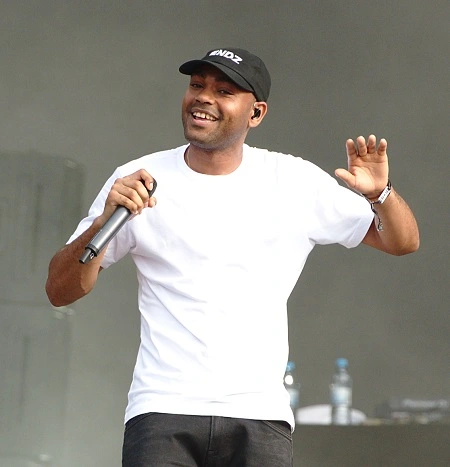
Kane Robinson, born in the London Borough of Newham, was born to Jamaican parents and raised by his mother, a PE teacher, first living on Manor Road and later in East Ham. He attended Langdon Secondary School. In his younger years he was a semi-professional footballer, representing Chelsea, West Ham United, Norwich City and Celtic, eventually abandoning his sporting ambitions in favour of a musical career. Robinson dabbled in composing using Cubase and a keyboard in his youth, and started MCing aged fourteen after his older brother Lee “Chopper” Robinson, an aspiring DJ, got a pair of turntables for his sixteenth birthday; the pair would record UK garage sets together on cassette tape and share them with friends, which earned Lee a residency on Canning Town pirate radio station Flava FM. Kano’s school friend Sharky Major, founder of Nasty Crew, was also a resident on the station, and invited him to guest on the group’s show as early as 2001; by 2002, he formally became a member of the crew. The station’s transmissions were only available within the immediate East London area and listeners initially knew him solely through his voice before he began getting live bookings through the crew. Robinson used the crew’s underground popularity as a springboard. He signed a record deal with 679 Recordings on his nineteenth birthday in 2004. In June 2005, he released his debut album, Home Sweet Home. Amidst the album campaign, Robinson parted ways with Nasty Crew in 2005, a decision which co-founder Marcus Nasty has stated on the record was due to their relationship becoming fraught after Kano became represented by a manager and had to navigate the competing interests of his team and the crew.
His next album was to be called London Town which features guest appearances by Damon Albarn, Craig David and Kate Nash. In 2008, Robinson was no longer signed to 679 Recordings as he wished to return to his “grimier roots”. He released a third album, 140 Grime Street. Despite primarily using American hip-hop-style beats, seemingly contra to his previous comments, it was well received.Robinson’s fourth album, Method to the Maadness, was released in August 2010 and became the rapper’s fourth successive album to appear in the Top 50. His fifth album Made in the Manor, was eventually released in 2016. The album was nominated for the Mercury Prize and became Robinson’s highest-charting album since London Town. In August 2019, Robinson’s sixth studio album Hoodies All Summer was released and was again shortlisted for the Mercury Prize 2020. Robinson made his acting debut in the Channel 4 drama Top Boy which later became a Netflix series. He played the lead role in The Kitchen, a dystopian action drama for Netflix which premiered at the 67th London Film Festival in October 2023.
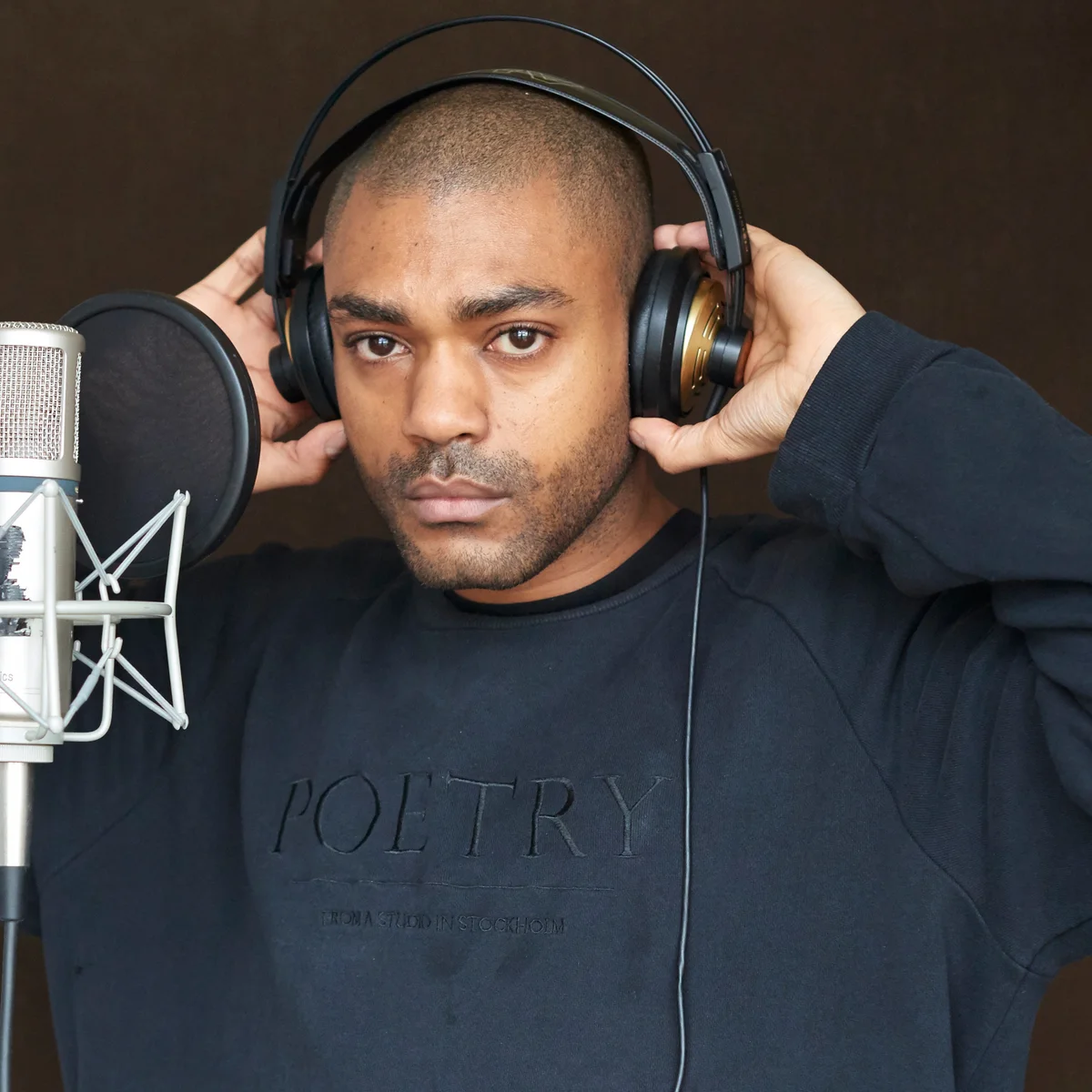
Kane Brett Robinson is a pioneering British rapper, songwriter, and actor from East Ham, London. He is a founding figure in the UK grime scene. He is widely celebrated for his starring role as Sully in the hit Netflix crime drama series Top Boy (2011–2023) and starred in the sci-fi film The Kitchen (2023).
Sound quality is important and the better online Streaming services will offer superior sound quality. As always, We do encourage you to purchase Favoured albums from good online or High street record stores.
Artists in upcoming issues: nicki Minaj, Little simz .....Keep Listening!! JOIN THE CONVERSATION...
“Comments are most welcome and appreciated”