Contemporary Music – Rap – issue #1
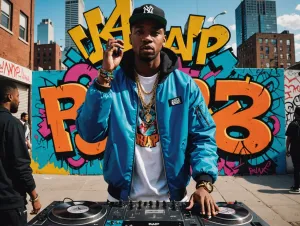
Rap music is stylistically and lyrically diverse, representing a range of experiences and worldviews. originating in the Bronx, New York City, in the early 1970s. It features rhythmic, rhyming speech delivered over a musical backdrop, known as a beat or instrumental track. Its earliest performers comprise MCs (derived from master of ceremonies but referring to the actual rapper) and DJs (who use and often manipulate pre-recorded tracks as a backdrop to the rap), break dancers and graffiti writers. Rap music is a musical form of vocal delivery that is a primary component of hip-hop culture. Early pioneers like Grandmaster Flash and DJ Grand Wizard Theodore developed key techniques such as scratching and looping “break beats”—instrumental sections of songs that people could dance to. The core elements of rap include: Content: The lyrics, which often incorporate “street vernacular” and address a wide range of social and political issues, such as racism and poverty. Flow: The rhythm and rhyme scheme of the delivery. Delivery: The cadence, tone, and vocal qualities used by the rapper (MC). The Beat: The instrumental accompaniment, typically created by a DJ or producer using turntables, samplers, drum machines (like the iconic 808 drum machine), and synthesizers. Sampling and the evolution of rap and hip hop go hand in hand. Essentially, this comes down to combining old classics with contemporary sounds. Rap music has deep cultural roots and several precursors: The tradition of rhythmic storytelling by West African griots over drums is often cited as an early precursor; African American Traditions Influences blues and jazz vocal styles; Jamaican Toasting (or Deejaying) A Rhythmic Chanting or Talking Style Performed over a Beat; “playing the dozens,” a verbal game where participants exchange witty insults about each other’s family to demonstrate verbal skill and coolness without getting genuinely angry, evolving into ‘battle rap.’ and 1960s African American poetry and spoken word artists like The Last Poets and Gil Scott-Heron. Changes to the musical production of hip-hop, along with growing stylistic diversity and advances in technology, led to the community-imposed concept of an old and new school. The “Old School” is associated with the period from the early 1970s to the mid-1980s.
Rap gained commercial viability in 1979 with The Sugarhill Gang’s “Rapper’s Delight” and later with artists like Kurtis Blow. “New School” rap was coined by the 2nd generation artist (1984) to distinguish the pop sensibilities of the first commercial generation of rap artists and ranged from the pop-oriented humorous style of the Fat Boys, for example, to the rock-oriented sounds of say, Run-D.M.C. Women rappers like Queen Latifah introduced Black women’s point of view to rap fans and proved that they were as skilled and commercially successful as the men. The chaotic sounds of Public Enemy and N.W.A became known as hardcore. The harsh lyrical content mirrored the deteriorating conditions of the inner-cities and pushed the boundaries of lyrical complexity and social commentary. also known as “conscious” rap and a sub-genre “gangsta” rap characterized by its lyrical focus on the often-violent realities of inner-city life, including crime, gang activity, and drug dealing. In the 2000s, hip-hop music was mainstream. Kanye West’s production and lyricism redirected attention away from gangsta rap and explored a range of topics including his middle-class upbringing, anti-Black racism, corporatism, and his faith presented in full ‘boasting’ style.
additionally, Eminem will become a most revered lyricist, by rap artists and rap fans alike. Encouraging white artists to Foster relationships with people of colour and follow their lead in dismantling oppressive systems. a legacy of Vanilla Ice the first solo white rapper to achieve commercial success in 1990. Musically, music-making turned away from the East Coast and the West coast and found a new home in the South. Several epicentres develop influential styles: Miami (Miami bass), New Orleans (bounce), Houston (screwed), and Atlanta (crunk and trap). By the 2010s, socially conscious rap will cross over into the mainstream as R&B and rap artists respond to tension borne from increased police and vigilante shootings of unarmed Black men, women, and children, and from advances in technology for self-production and instant sharing through social media. Key artists include Kendrick Lamar. In the 2010s we witness the rise of female MCs as producers of critically acclaimed albums. Women leading the trend include Nicky Minaj and Cardi B. By the 21st century, rap had become a global phenomenon, influencing music, fashion, and culture worldwide. Fame in rap often comes with mainstream success and cultural impact, and few have shaped culture like Jay-Z. From his fluid rhymes about hustle and heartache to becoming a mogul in music and business, his influence spans beyond music charts to fashion and social activism.
Join the Conversation!!!
we will Feature Significant Compositions from Artists representative of the Genre. We Hope to encourage Listeners of all tastes and passions. So Get your Headphones on and Consider discussing the musical Offering and sharing your views with like-minded peers.
In Issue #1, we feature kendrick Lamar
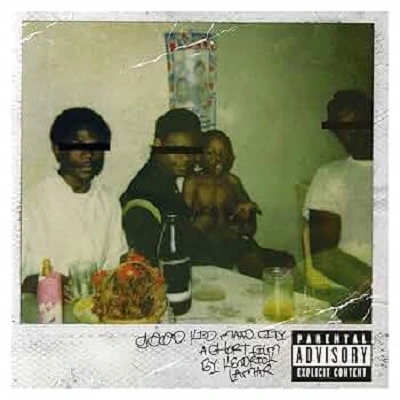
Good Kid, M.A.A.D City it is a concept album that tells the story of his teenage life growing up amidst a backdrop of gang violence, peer pressure, and moral dilemmas in Compton. M.A.A.D is an acronym with two meanings: “My Angry Adolescence Divided” and “My Angel’s on Angel Dust.” Lamar uses nonlinear narrative, a narrative technique where events are portrayed, for example, out of chronological order, and skits, a form of sketch comedy, to guide the listener through his experiences. The songs explore themes of innocence lost, personal growth, and faith and address issues such as economic disenfranchisement, retributive gang violence and downtrodden women, while analysing their residual effects on individuals and families. The album features a low-key downbeat production with atmospheric beats and subtle, indistinct hooks It eschews contemporary hip-hop tastes and generally features tight bass measures, subtle background vocals, and light piano. Pitchfork’s Jayson Greene wrote that “the miracle of this album is how it ties straightforward rap thrills” to its “weighty material” and narrative, while David Amidon from PopMatters believed the album was simultaneously accessible and substantial, capable of appealing to both underground and mainstream Hip-Hop Listeners.
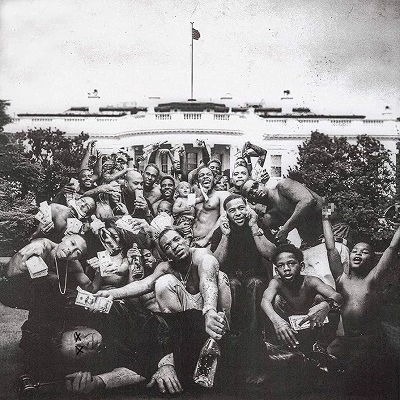
To Pimp a Butterfly, is widely considered a masterpiece and one of the greatest hip-hop albums of all time, highly acclaimed for its musical complexity, social commentary, and cohesive narrative. The album blends various African-American musical styles, including funk, jazz, G-funk, neo soul, and spoken word, creating an experimental and rich sonic experience. However, some critics found the heavy jazz, funk, and neo-soul instrumentation, while praised by many, could be perceived as chaotic, overwhelming, or simply not to everyone’s musical taste. The tracks explore a range of complex issues facing black America, as well as Kendrick’s personal struggles with fame, identity, and depression. A recurring narrative device is a poem that evolves throughout the album, culminating in the final track, “Mortal Man”, where Lamar has a fictional conversation with a sampled Tupac Shakur. The central metaphor, explained by Kendrick, is the distinction between a caterpillar and a Butterfly The caterpillar represents Kendrick and his community, trapped in a “mad city” and consuming its environment to survive. The cocoon represents the institutionalization and self-hatred that traps the caterpillar. The butterfly represents the artist who has found his talent and uses his platform to inspire and shed light on social issues.
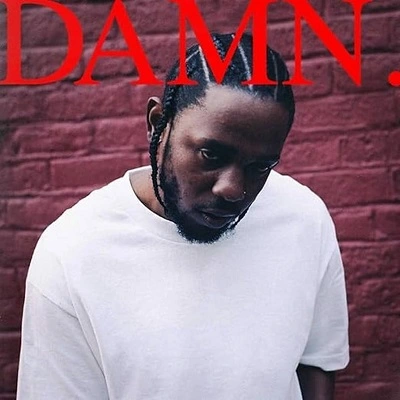
Damn a critically acclaimed and commercially successful album that won a Pulitzer Prize for Music and multiple Grammy Awards. The Pulitzer Committee described the album as “a virtuosic song collection unified by its vernacular authenticity and rhythmic dynamism that offers affecting vignettes capturing the complexity of modern African American life.”
Damn is considered a major work in modern hip-hop. The album explores themes of sin and salvation, wickedness versus weakness, the nature of God, and African American life in the United States. Again, highlighting Lamar’s raw storytelling, powerful social commentary, and lyrical depth. A blend of Conscious hip-hop which focuses on social, political, economic, and cultural issues, West Coast hip hop heavily influenced by funk and R&B, and trap elements characterized by heavy 808 bass, complex, fast hi-hat rolls (triplets/stutters), crisp snares/claps, and atmospheric synth melodies.
Good Kid, M.A.A.D City
To Pimp a Butterfly
Damn
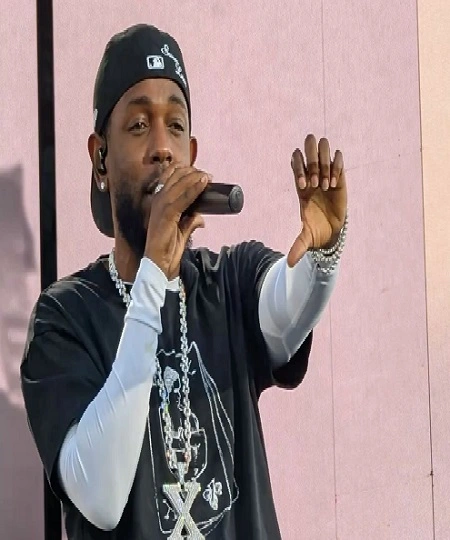
Kendrick Lamar Duckworth (born June 17, 1987) is an American rapper, singer, songwriter, and record producer. Regarded as one of the greatest rappers of all time, he was awarded the 2018 Pulitzer Prize for Music, becoming the first musician outside of the classical and jazz genres to receive the award. He is known for his conscious, introspective lyrics, which often include political criticism and social commentary on African American culture.
Lamar’s music, rooted in West Coast hip-hop, features conscious, introspective lyrics, with political criticism and social commentary concerning African-American culture. Born and raised in Compton, California. During high school, Lamar adopted the stage name K. Dot and began freestyling and battle rapping at school. Lamar’s earliest performances were held at a “super hood” comedy club and behind a tattoo parlor. Lamar recorded mixtapes leading to an audition with record producer Anthony “Top Dawg” Tiffith of Top Dawg Entertainment (TDE). In 2005 he was offered a recording contract. Upon signing, he purchased a minority stake in the label for an undisclosed amount.
He released his debut commercial mixtape, Section.80, on July 2, 2011 before his career breakthrough came with his major label debut album, Good Kid, M.A.A.D City (2012) an atmospheric West Coast hip-hop album with heavy gangsta rap influences. The album achieved widespread critical and commercial success. In October 2022, it became the first hip-hop studio album to spend over ten consecutive years on the chart. To Pimp a Butterfly was released on March 15, 2015 The album incorporated various genres synonymous with African American music, such as jazz, funk, and soul. Pitchfork opined that the album “forced critics to think deeply about music” and “It’s an album by the greatest rapper of his generation, where his rap skills are perhaps the least noteworthy talking point.”
Damn was released on April 14 2017. It utilized a more mainstream musical palette than To Pimp a Butterfly, exploring R&B and pop elements. Rolling Stone described its sonics as a “brilliant combination of the timeless and the modern, the old school and the next-level.” Damn became Lamar’s most commercially successful album to date.
Lamar announced that he would be executive producing the 2018 film Black Panther and recording the soundtrack (Lamar contributed lead and background vocals to every track). Music critics consider Black Panther: The Album to be a milestone achievement, giving praise towards its lyrics and cultural significance. Lamar made his acting debut as a drug addict in the crime drama series Power (2018).
Lamar’s fifth album, Mr. Morale & the Big Steppers, was released on May 13, 2022. The double album drew on jazz, R&B, trap, and soul influence. It was widely acclaimed by critics, who applauded Lamar’s vulnerable songwriting and scope.
GNX is the title of the acclaimed, Sixth Studio Album released on November 22, 2024. marking Lamar’s first project after departing from his Long-time labels Top Dawg Entertainment and Aftermath Entertainment. The album, titled after the rare 1987 Buick Regal GNX muscle car, is a tribute to West Coast hip-hop and Los Angeles culture.
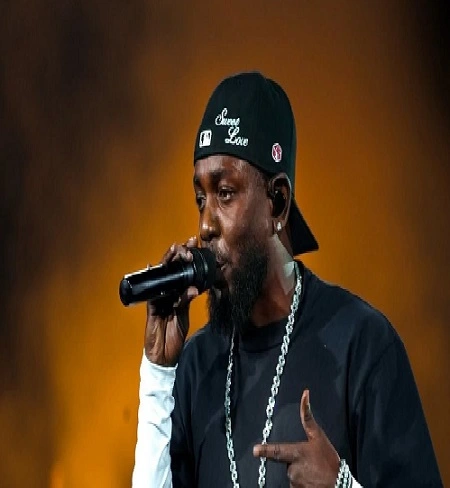
Lamar currently holds 22 career GRAMMY Awards and has received over 55 nominations. Most recently, at the 67th GRAMMY Awards in 2025, Lamar swept all five of his nominations for his song “Not Like Us,” taking home Song Of The Year, Record Of The Year, Best Rap Performance, Best Rap Song, and Best Music Video.
Canadian rapper Drake and American rapper Kendrick Lamar have been involved in a rap feud since 2013, prompted by the release of several diss tracks when Drake responded to Lamar’s verse on the Big Sean song “Control”. It escalated in 2024 with Lamar’s lyrics in the song “Like That”. many commentators and music outlets have either praised the ‘battle’ for its spectacle and for maintaining hip-hop’s cultural relevance, or criticized both artists for how they made and responded to each other’s accusations.
Sound quality is important and the better online Streaming services will offer superior sound quality. As always, We do encourage you to purchase Favoured albums from good online or High street record stores.
Artists in upcoming issues: nicki minaj, jay z, Eminem, Cardi b.......Keep Listening!! JOIN THE CONVERSATION...
“Comments are most welcome and appreciated”